
- Heart-Healthy-Oils
- Types-of-Heart-Healthy-Oils
- Choosing-Heart-Healthy-Oils
- Cooking-Healthy-Meals
- Best-Practices-for-Heart-Health
Best Heart-Healthy Cooking Oils for Your Heart
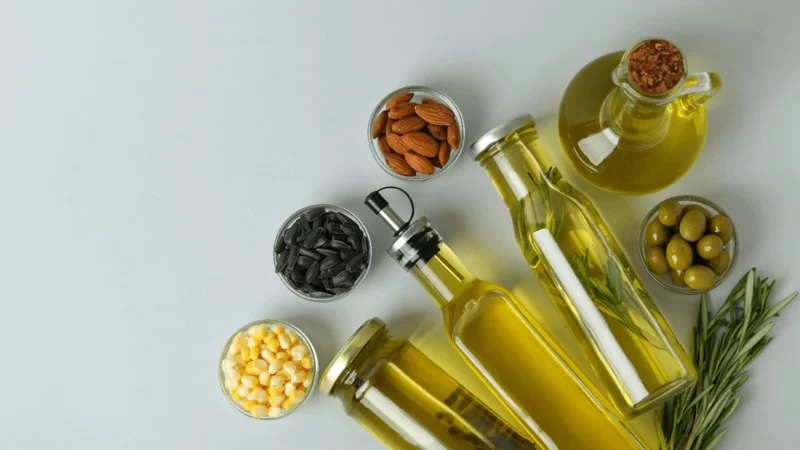
As we become more aware of the connection between diet and overall health, the focus on heart health has increased dramatically. One simple yet impactful change we can make is to choose the right cooking oils. The right oils are packed with nutrients that support cardiovascular health, provide healthy fats, and help us maintain energy throughout the day. After experimenting with various cooking oils, I realized how important it is to incorporate heart-healthy oils into my daily meals. From olive oil to avocado oil, many options out there promote heart health while adding flavor to your favorite dishes.
Choosing the best cooking oil for heart health doesn’t have to be complicated. The key lies in the type of fats contained in the oil. Unsaturated fats, particularly polyunsaturated and monounsaturated fats, are considered beneficial for heart health, while trans fats and excessive saturated fats can increase the risk of heart disease. As we delve deeper into this topic, I’ll share the top heart-healthy oils I’ve found to work best for cooking and how they can contribute to a healthier lifestyle.

Types of Heart-Healthy Oils
When it comes to heart-healthy oils, understanding the types of fats present in each one is essential. The two main types of fats you want to include in your diet for heart health are monounsaturated fats and polyunsaturated fats. These fats can help lower levels of bad cholesterol (LDL) and raise good cholesterol (HDL), which is essential for cardiovascular health.
Atlanta Heart Specialists
atlanta heart specialists
4375 Johns Creek Pkwy #350, Suwanee, GA 30024, USA

1.1 Olive Oil: The Gold Standard
Olive oil is often considered the gold standard when it comes to heart-healthy cooking oils. As a staple in Mediterranean diets, it’s rich in monounsaturated fats and antioxidants, both of which are vital for maintaining a healthy heart. What I love about olive oil is its versatility—whether it’s drizzling over salads, sautéing vegetables, or using it in sauces, olive oil adds flavor without compromising heart health.
1.2 Avocado Oil: The Versatile Powerhouse
Avocado oil has gained popularity in recent years for its high smoke point, making it an excellent choice for high-heat cooking methods like frying or grilling. Like olive oil, avocado oil is also high in monounsaturated fats. It’s rich in vitamin E and other antioxidants that support heart health. I find it perfect for stir-fries, as it adds a smooth, creamy texture to the dish while contributing to overall heart health.
1.3 Canola Oil: A Budget-Friendly Option
Canola oil is another great option for heart-healthy cooking. It’s low in saturated fat and high in omega-3 fatty acids, which are known to lower inflammation and improve blood circulation. I often use canola oil when I need a neutral oil that won’t overpower the flavors of a dish. It’s also excellent for baking and frying, making it a versatile option for many cooking methods.
1.4 Flaxseed Oil: The Omega-3 Boost
If you're looking for an oil with an impressive omega-3 content, flaxseed oil is an excellent choice. Omega-3 fatty acids are essential for heart health and have been linked to a reduction in the risk of heart disease. However, flaxseed oil has a low smoke point, so it’s best used for cold dishes like smoothies, salad dressings, or drizzling over cooked vegetables. I love incorporating flaxseed oil into my routine for a healthy dose of omega-3s without changing the taste of my meals.
1.5 Walnuts Oil: A Nutty, Heart-Healthy Choice
Walnut oil is a great source of polyunsaturated fats, particularly omega-3 fatty acids. It’s often used in salad dressings or drizzled over dishes to add a mild, nutty flavor. What’s remarkable about walnut oil is its ability to support brain and heart health simultaneously. I often use walnut oil in vinaigrettes or pair it with roasted vegetables for a nutty twist. It’s an oil that combines taste and heart benefits in every drop.
Choosing Heart-Healthy Oils
Choosing the right oil can be overwhelming with so many options available. But once you know what to look for, it becomes easier to make heart-conscious decisions in the kitchen. As I mentioned earlier, the key is to focus on oils that are high in unsaturated fats and low in saturated fats. But there are other factors to consider as well.
2.1 Understanding the Smoke Point
The smoke point of an oil refers to the temperature at which it starts to break down and release harmful compounds. Oils with higher smoke points, like avocado oil, are better suited for high-heat cooking, while oils with lower smoke points, like flaxseed oil, are best used in cold preparations. I always make sure to choose the right oil for the right cooking method, ensuring both the flavor and health benefits are preserved.
2.2 Cold-Pressed vs. Refined Oils
Cold-pressed oils are made through a mechanical process without using heat, preserving the nutrients and antioxidants found in the oil. These oils tend to be more flavorful and offer a higher level of nutritional value. On the other hand, refined oils are subjected to heat and chemicals, which can strip them of some of their health benefits. When possible, I prefer to use cold-pressed oils for their superior nutritional profile.
2.3 Flavor Profile
Each oil has its unique flavor profile, which can enhance or complement different types of dishes. Olive oil, for example, has a distinct, fruity flavor that works well in Mediterranean-style dishes, while avocado oil has a more neutral taste. Consider what flavor you want to bring to your meals when choosing an oil, especially if you want to add specific flavor notes to your dishes.
Cooking Heart-Healthy Meals
Cooking with heart-healthy oils is an important step, but it’s only part of the equation. For meals to be truly heart-healthy, they should also be balanced with other nutritious ingredients. One of the things I’ve learned over time is that small changes in the kitchen can have a big impact on heart health.
3.1 Incorporate More Vegetables
Adding more vegetables to your meals is an easy way to boost their heart-healthy properties. Vegetables are rich in fiber, vitamins, and antioxidants, all of which contribute to a healthy heart. I often use olive or avocado oil to sauté my favorite veggies, making them even more satisfying and heart-healthy.
3.2 Focus on Lean Proteins
Replacing red meat with lean proteins, such as chicken, fish, or plant-based sources like legumes, can significantly improve heart health. Fish like salmon and mackerel are particularly beneficial due to their omega-3 content. I enjoy making stir-fries with lean proteins and lots of vegetables, cooked in heart-healthy oils for a quick and nourishing meal.
3.3 Minimize Processed Foods
Processed foods are often high in unhealthy fats and sodium, both of which can negatively impact heart health. Instead, I try to prepare fresh meals as much as possible, using whole, nutrient-dense ingredients that are good for my heart.
Best Practices for Heart Health
Incorporating heart-healthy oils into your diet is just one part of maintaining a healthy heart. There are several other best practices that can support cardiovascular health.
4.1 Regular Exercise
Physical activity is crucial for heart health. I make sure to stay active, whether it’s through walking, swimming, or yoga, all of which help improve blood circulation and strengthen the heart.
4.2 Monitor Cholesterol and Blood Pressure
Regular health check-ups help me keep track of important heart health metrics like cholesterol levels and blood pressure. Maintaining a healthy weight and diet also plays a role in keeping these numbers in check.
4.3 Stay Hydrated
Drinking plenty of water is vital for overall health, including heart function. I aim to drink water throughout the day to stay hydrated and support my heart’s natural processes.
If you’re looking to explore more heart-healthy living tips, I recommend checking out HeartCare Hub for additional resources and product recommendations to support your heart health journey.


















Deborah Heart and Lung Center
deborah heart and lung center
200 Trenton Rd, Browns Mills, NJ 08015, USA