
How to Reduce Heart Disease Risk with Fiber-Rich Foods
- Understanding Heart Disease Risk
- The Role of Fiber in Heart Health
- Types of Fiber for Heart Health
- Foods High in Fiber for Heart Disease Prevention
- Case Study: How Fiber Impacted One Individual's Heart Health
Understanding Heart Disease Risk
Heart disease is a leading cause of death worldwide, and its risk factors are often linked to lifestyle and diet. Common contributors include high cholesterol, high blood pressure, obesity, and poor diet. Understanding how different factors contribute to heart disease can help you take proactive steps to reduce your risk. One such factor is your dietary fiber intake, which can play a crucial role in supporting overall heart health.
Research has shown that a high-fiber diet can help reduce risk factors for heart disease, including lowering cholesterol levels, improving blood sugar control, and aiding in weight management. In this article, we’ll explore how fiber-rich foods can significantly reduce heart disease risk and how you can incorporate them into your diet.

The Role of Fiber in Heart Health
Fiber is a type of carbohydrate that the body cannot digest. It is divided into two main types: soluble and insoluble fiber. Both types offer health benefits, particularly for heart health.
Soluble fiber dissolves in water and forms a gel-like substance in the digestive tract. This type of fiber helps lower LDL cholesterol (often referred to as "bad" cholesterol) by binding to cholesterol molecules and removing them from the body. It also helps regulate blood sugar levels, which can reduce the risk of heart disease, especially in individuals with diabetes or prediabetes.
Insoluble fiber, on the other hand, doesn’t dissolve in water but helps move food through the digestive system, supporting regular bowel movements. While it may not directly lower cholesterol, it plays a vital role in reducing the risk of other conditions, such as obesity, which can lead to heart disease.
Atlanta Heart Specialists
atlanta heart specialists
4375 Johns Creek Pkwy #350, Suwanee, GA 30024, USA

Types of Fiber for Heart Health
To maximize the heart health benefits, it’s essential to include both soluble and insoluble fiber in your diet. Here’s how each type contributes to heart disease prevention:
- Soluble Fiber: Found in oats, beans, lentils, fruits like apples, and vegetables like carrots, soluble fiber helps lower cholesterol and stabilize blood sugar levels.
- Insoluble Fiber: This fiber is abundant in whole grains, nuts, seeds, and the skin of fruits and vegetables. It promotes digestive health and helps maintain a healthy weight, both of which contribute to heart health.
Foods High in Fiber for Heart Disease Prevention
Incorporating fiber-rich foods into your diet is a simple yet powerful way to reduce the risk of heart disease. Some of the best sources of fiber for heart health include:
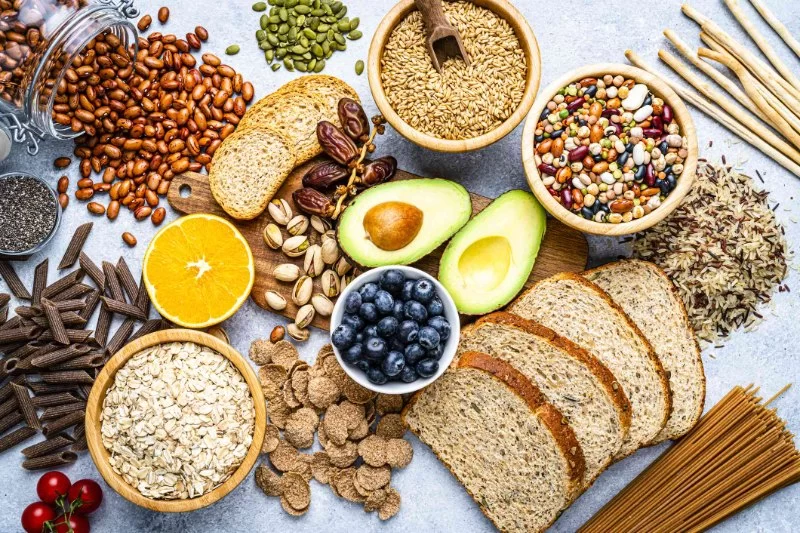
- Oats: Oats are an excellent source of soluble fiber, which can help lower cholesterol. Start your day with a bowl of oatmeal or add oats to smoothies and baked goods.
- Legumes: Beans, lentils, and chickpeas are rich in both soluble and insoluble fiber. They also provide plant-based protein, making them a heart-healthy alternative to meat.
- Fruits: Apples, pears, berries, and citrus fruits are packed with soluble fiber. They are also rich in antioxidants, which help reduce inflammation and support overall heart health.
- Vegetables: Leafy greens, carrots, and broccoli are high in fiber and can be easily added to salads, soups, or stir-fries.
- Whole Grains: Whole wheat, quinoa, brown rice, and barley are all excellent sources of insoluble fiber and can be swapped in for refined grains in many dishes.
A diet rich in these fiber-packed foods can help you maintain a healthy heart by managing cholesterol levels, improving digestion, and controlling weight.
Case Study: How Fiber Impacted One Individual's Heart Health
Consider the case of John, a 50-year-old man with a family history of heart disease. After his annual checkup revealed elevated cholesterol levels, his doctor advised him to make dietary changes to improve his heart health. John decided to increase his intake of fiber-rich foods, focusing on oats, beans, and fresh fruits. After three months, John’s cholesterol dropped by 15%, and he noticed an improvement in his energy levels. His doctor was impressed by the results, crediting the changes in his diet for the positive impact on his heart health. John’s case illustrates how simple dietary changes, such as incorporating more fiber, can lead to significant health improvements.
For those looking for more ways to boost heart health, check out HeartCare Hub, where you can find a variety of resources, services, and products designed to support your heart health journey.


















Deborah Heart and Lung Center
deborah heart and lung center
200 Trenton Rd, Browns Mills, NJ 08015, USA