
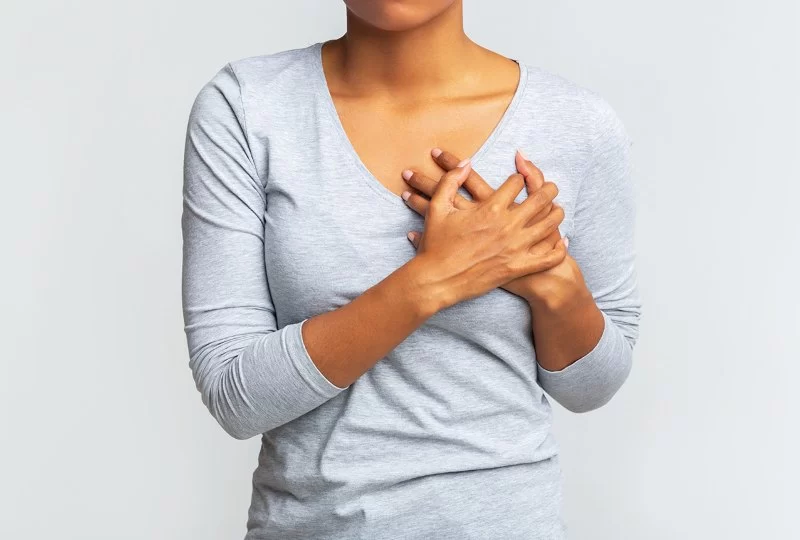
1. Understanding Heart Attack Symptoms in Women
Heart attacks are one of the leading causes of death among women, yet many women don’t recognize the early warning signs. While chest pain is often associated with heart attacks, women may experience symptoms that differ from the classic symptoms seen in men. It’s important to be aware of these warning signs, as recognizing them early can make a significant difference in outcomes. This article explores how heart attack symptoms in women differ, providing vital information to help women recognize when they might be at risk.

2. Unique Symptoms of Heart Attacks in Women
While chest pain is the most commonly recognized symptom of a heart attack, women often experience additional symptoms or different types of discomfort. It's important to know that women may not always present with the "classic" heart attack symptoms that we often see portrayed in media. Understanding these unique symptoms can lead to faster diagnosis and better care.
Atlanta Heart Specialists
atlanta heart specialists
4375 Johns Creek Pkwy #350, Suwanee, GA 30024, USA

2.1 Unusual Chest Pain
For women, chest pain may not always be severe or sharp. It could feel more like pressure or tightness, or even indigestion. This type of discomfort may radiate to the arms, neck, jaw, or back, but in some cases, it may remain localized in the chest area. It’s important to note that not all women experience the typical chest pain associated with heart attacks, which can make diagnosis more challenging.
2.2 Other Warning Signs in Women
In addition to chest pain, women are more likely to experience other heart attack symptoms such as fatigue, shortness of breath, nausea, or dizziness. These symptoms can be subtle and may be easily dismissed, but they are crucial indicators that a heart attack may be occurring. For instance, women may feel unusually tired or lightheaded, or they might experience indigestion-like symptoms that can be mistaken for something less serious.
3. Why Women Experience Different Heart Attack Symptoms
The differences in heart attack symptoms between men and women may be due to the physiological differences in the heart and cardiovascular system. Women tend to have smaller blood vessels, which may lead to different patterns of blockage compared to men. Additionally, hormonal differences, especially around menopause, can influence the risk of a heart attack and the way symptoms manifest. These factors contribute to the unique symptoms that women experience during a heart attack.
3.1 Hormonal Changes and Heart Health
Hormones, especially estrogen, play a significant role in protecting women's heart health until menopause. As women age and estrogen levels decline, their risk of heart disease increases. The decrease in estrogen during menopause can lead to changes in blood vessels, increasing the likelihood of blockages. This hormonal shift is one of the reasons why women may experience different symptoms and face a higher risk of cardiovascular problems after menopause.
3.2 Recognizing Symptoms Early
Recognizing the symptoms of a heart attack in women early is key to getting timely medical intervention. For women, the symptoms may appear more gradually and be misinterpreted as something else. By staying vigilant and paying attention to unusual symptoms like unexplained fatigue, shortness of breath, or persistent discomfort, women can ensure that they seek help sooner, leading to better health outcomes.
4. Real-Life Example of Heart Attack in Women
Take the story of Lisa, a 45-year-old woman who was experiencing extreme fatigue and nausea for days. She assumed it was stress or an upset stomach, but when the symptoms didn't subside, she decided to visit her doctor. Lisa's doctor quickly recognized the signs of a heart attack, despite the lack of typical chest pain. By acting fast, Lisa received treatment in time, preventing severe damage to her heart. This example highlights the importance of understanding the unique symptoms of heart attacks in women and not ignoring seemingly minor symptoms.
5. Preventing Heart Attacks in Women
While recognizing the symptoms of a heart attack is crucial, prevention is key. Women can take several steps to reduce their risk of heart disease, including maintaining a healthy diet, exercising regularly, and avoiding smoking. Regular checkups with a healthcare provider are also important for monitoring cholesterol and blood pressure levels, both of which can influence heart health. In addition, managing stress and maintaining a healthy weight are essential for reducing the risk of heart disease and heart attacks.
6. Why HeartCare Hub is Your Trusted Resource for Heart Health
If you’re looking for reliable heart health information, support, or products, HeartCare Hub is here to help. From understanding the symptoms of a heart attack to finding lifestyle recommendations that support a healthy heart, HeartCare Hub provides the resources you need to take charge of your health. Explore our website for more heart health tips, services, and expert guidance tailored for women.




















Deborah Heart and Lung Center
deborah heart and lung center
200 Trenton Rd, Browns Mills, NJ 08015, USA