- Best-Exercises-to-Lower-Blood-Pressure
- Why-Exercise-Helps-Blood-Pressure
- Aerobic-Exercises-for-Heart-Health
- Strength-and-Flexibility-Training
- Building-a-Safe-Exercise-Routine
Best Exercises to Lower Blood Pressure
Finding the best exercises to lower blood pressure can make a significant difference in long-term heart health. Regular physical activity helps the heart pump more efficiently, improves circulation, and reduces strain on blood vessels. Many people are surprised to learn that consistent moderate exercise can lower blood pressure as effectively as some medications when combined with healthy lifestyle habits.
High blood pressure often develops gradually without noticeable symptoms. Because of this, lifestyle changes such as exercise become one of the most practical ways to improve cardiovascular health. Doctors frequently recommend physical activity as a first-line strategy before or alongside medication.
I once spoke with someone who began walking daily after being diagnosed with mild hypertension. At first, the goal was simply ten minutes per day. Within a few months, the routine grew into longer walks and occasional bike rides. Follow-up visits showed steady improvements in blood pressure readings, demonstrating how small changes can produce meaningful results.
Understanding how different types of exercise affect the cardiovascular system helps people choose activities that are both effective and sustainable.
Why Exercise Helps Blood Pressure
Exercise improves cardiovascular health through several biological mechanisms.
1. Improved Heart Efficiency
1.1 Stronger Heart Muscle
Regular activity strengthens the heart muscle. A stronger heart pumps blood with less effort, reducing pressure on artery walls.
This efficiency helps maintain healthier blood pressure levels throughout the day.
1.2 Better Circulation
Exercise encourages blood vessels to expand and contract more effectively.
This flexibility improves circulation and reduces resistance inside arteries.
2. Hormonal and Metabolic Benefits
2.1 Stress Reduction
Physical activity lowers stress hormones that can raise blood pressure.
Even light exercise often produces a calming effect.
2.2 Weight Management
Maintaining a healthy weight reduces strain on the cardiovascular system.
Exercise helps regulate body composition and metabolism.
Aerobic Exercises for Heart Health
Aerobic activity is widely considered among the best exercises to lower blood pressure.
1. Walking Programs
1.1 Accessible and Low Impact
Walking is one of the easiest ways to begin an exercise routine. It requires no special equipment and can be adjusted to individual fitness levels.
Regular walking improves circulation and gradually strengthens the heart.
1.2 Building Consistency
A simple walking routine might include:
1. Ten-minute warmup walks
2. Gradually increasing pace
3. Consistent weekly schedules
4. Comfortable footwear
Consistency often matters more than intensity.
2. Cycling and Swimming
2.1 Joint-Friendly Cardio
Cycling and swimming provide excellent cardiovascular workouts while minimizing stress on joints.
These exercises are especially helpful for individuals with arthritis or mobility concerns.
2.2 Steady Endurance Training
Steady aerobic exercise helps regulate heart rhythm and improves oxygen delivery.
This supports long-term cardiovascular function.
3. Light Jogging
3.1 Moderate Intensity Activity
Light jogging can improve heart strength and endurance.
This activity works best for individuals who already have a basic fitness foundation.
3.2 Controlled Progression
Increasing intensity gradually helps avoid injury and excessive strain.
Short intervals often work well for beginners.
Strength and Flexibility Training
In addition to aerobic exercise, strength and flexibility training support overall cardiovascular health.
1. Light Strength Training
1.1 Muscle Development
Strength training improves metabolism and supports healthy body composition.
This contributes to improved blood pressure control.
1.2 Safe Resistance Techniques
Recommended approaches include:
1. Light weights
2. Resistance bands
3. Controlled movements
4. Proper breathing techniques
Avoiding excessive strain helps protect the heart.
2. Stretching and Mind-Body Exercise
2.1 Improved Flexibility
Stretching improves mobility and reduces muscle tension.
Relaxed muscles support better circulation.
2.2 Relaxation-Focused Activities
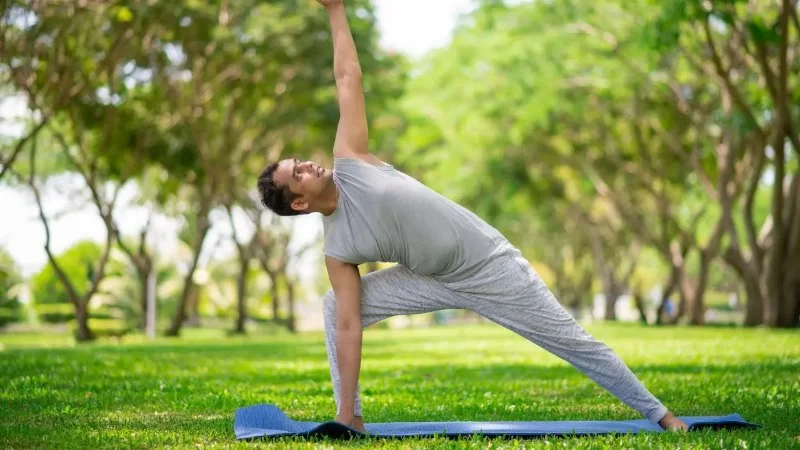
Activities such as gentle yoga help reduce stress.
Lower stress levels often support healthier blood pressure readings.
Building a Safe Exercise Routine
A structured routine helps maximize benefits while reducing risks.
1. Starting Gradually
1.1 Small Daily Goals
Beginning with manageable sessions improves long-term success.
Short sessions often lead to sustainable habits.
1.2 Monitoring Physical Response
Paying attention to how the body responds helps prevent overexertion.
Warning signs include dizziness or unusual fatigue.
2. Maintaining Consistency
2.1 Weekly Scheduling
Regular exercise sessions provide the best results.
Consistent routines support long-term blood pressure control.
2.2 Professional Guidance
Some individuals benefit from professional advice before beginning an exercise program.
Resources such as HeartCare Hub provide valuable information about heart health, exercise safety, and long-term blood pressure management.
The best exercises to lower blood pressure are the ones that can be maintained consistently. Regular movement, combined with healthy habits, supports better cardiovascular function and long-term wellness.