Understanding Statins: Benefits and Risks
- 1 - What Are Statins?
- 2 - How Statins Work in the Body
- 3 - The Benefits of Statins
- 4 - The Risks of Statins
- 5 - When Should You Consider Statins?
- 6 - Real-Life Example: The Impact of Statins
1 - What Are Statins?
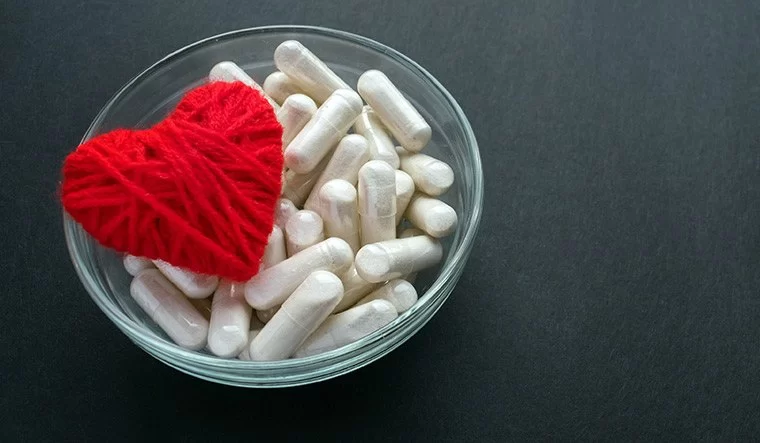
Statins are a class of medications commonly prescribed to lower cholesterol levels in the blood. They are widely used to prevent heart disease, stroke, and other cardiovascular problems by reducing the amount of low-density lipoprotein (LDL) cholesterol, often referred to as "bad" cholesterol. I’ve come across many individuals, including some close to me, who have been prescribed statins, and the results have been remarkable in many cases. Statins are among the most commonly prescribed drugs worldwide, and understanding their function is crucial for those at risk for heart disease.
There are several types of statins available, and each works in slightly different ways, but they all have the same primary goal: to reduce cholesterol production in the liver. In doing so, they help prevent the buildup of plaque in the arteries, which is a significant risk factor for cardiovascular disease. But while statins are beneficial for many, they come with both benefits and risks, which we will dive into shortly.
2 - How Statins Work in the Body
Statins work by blocking an enzyme in the liver that is responsible for producing cholesterol. This enzyme, known as HMG-CoA reductase, plays a crucial role in the liver's ability to synthesize cholesterol. When statins inhibit this enzyme, the liver produces less cholesterol, which leads to lower overall cholesterol levels in the bloodstream.
By lowering the levels of "bad" LDL cholesterol, statins help reduce the formation of plaque in the arteries. Plaque buildup can lead to atherosclerosis, a condition where the arteries become narrowed and hardened, restricting blood flow. This condition significantly increases the risk of heart attacks, strokes, and other cardiovascular problems. I’ve spoken to several people who have had their cholesterol levels significantly lowered after using statins, leading to a reduced risk of heart-related issues.
3 - The Benefits of Statins
Statins are most commonly prescribed for their ability to reduce cholesterol and, in turn, reduce the risk of cardiovascular diseases. Here are some of the most important benefits of statins:
1. Lower Cholesterol Levels
Statins are very effective at lowering LDL cholesterol levels. This reduction in cholesterol can help prevent the buildup of plaque in the arteries, reducing the risk of heart attacks and strokes. As someone who has seen the positive effects in family members with high cholesterol, I can attest to the importance of keeping cholesterol levels under control.
2. Reduced Risk of Heart Disease
Heart disease is the leading cause of death in the U.S., and statins play a crucial role in preventing it. For individuals who have already experienced a heart attack or have a history of heart disease in their family, statins can significantly reduce the risk of future cardiovascular events. Studies have shown that statins can lower the risk of heart disease by up to 30% for those at high risk.
3. Stroke Prevention
Statins are also proven to lower the risk of strokes. By reducing the buildup of plaque and promoting better blood flow, statins help prevent blockages in the brain’s arteries. A loved one of mine who had suffered a mild stroke was put on statins, and their risk of having another stroke was dramatically reduced. It’s truly remarkable how these medications can change someone’s health trajectory.
4 - The Risks of Statins
While statins have many benefits, like any medication, they come with potential side effects. It’s important to weigh the benefits against the risks when considering statin use. Below are some common risks and side effects of statins:
1. Muscle Pain and Weakness
One of the most commonly reported side effects of statins is muscle pain and weakness. Some individuals experience discomfort in their muscles or joints, which can interfere with daily activities. I know a few people who have stopped taking statins due to this issue. If you experience muscle pain while on statins, it’s essential to speak with your doctor, as they may adjust the dosage or switch you to a different medication.
2. Liver Damage
Statins can affect liver function in some individuals. Though it’s rare, long-term use of statins can cause liver damage. That’s why it’s important for doctors to regularly monitor liver enzymes when prescribing statins. In my case, my doctor kept an eye on my liver function while I was on statins, ensuring my health remained optimal.
3. Increased Risk of Diabetes
Some studies have shown that statins may slightly increase the risk of developing type 2 diabetes, especially in individuals who are already at high risk for the disease. However, the benefits of statins generally outweigh this risk for individuals with heart disease or high cholesterol. It’s something I keep in mind when discussing statin treatment options with my healthcare provider, but I’ve found that careful monitoring can mitigate this risk.
5 - When Should You Consider Statins?
If you have high cholesterol or are at risk for heart disease, your doctor might recommend statins. I’ve seen many friends and family members start statins after a health scare or when their cholesterol levels were dangerously high. It’s also recommended for those with a family history of heart disease, as statins can help lower the risk of heart attacks and strokes significantly.
In general, statins are considered when lifestyle changes (like diet and exercise) alone are not enough to control cholesterol levels. If you’re unsure whether statins are right for you, consulting with a healthcare provider is essential. They can assess your personal risk factors and determine the most appropriate treatment for your health.
6 - Real-Life Example: The Impact of Statins
I have a close friend who was diagnosed with high cholesterol at a relatively young age. After discussing the situation with their doctor, they started a regimen of statins. Over the course of a year, their cholesterol levels dropped significantly, and they experienced no major side effects. Not only did statins help lower their cholesterol, but my friend also reported feeling better overall, with improved energy levels and reduced anxiety about their heart health.
This real-life example highlights how statins can have a positive impact on health, especially when they are part of a broader strategy to reduce the risk of heart disease. For anyone who is hesitant about taking statins, hearing success stories like this can be encouraging.
If you’re considering statin treatment or want more information, visit HeartCare Hub for expert advice and resources that can help you make the best decision for your heart health!