
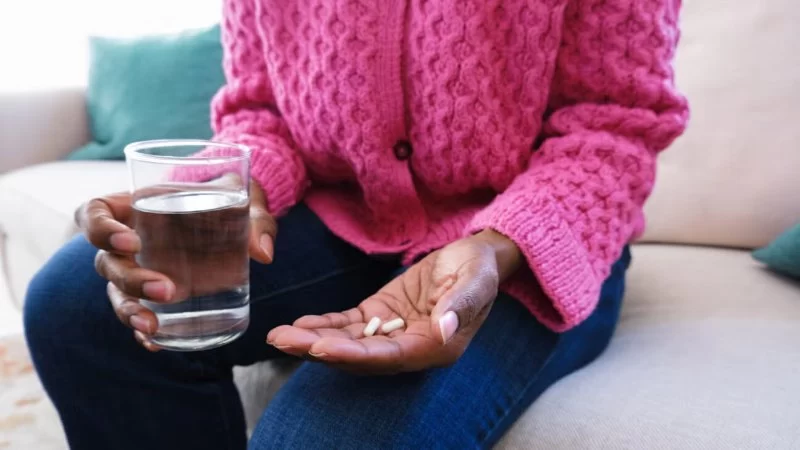
- how-to-lower-cholesterol-without-statins
- understanding-why-cholesterol-matters-for-heart-health
- nutrition-strategies-that-naturally-reduce-cholesterol
- lifestyle-changes-that-support-healthy-cholesterol-levels
- real-life-story-natural-cholesterol-management-success
- expert-guidance-for-maintaining-long-term-heart-health
How to Lower Cholesterol Without Statins
High cholesterol has become one of the most common health concerns in the United States. Millions of adults are told during routine checkups that their cholesterol levels are elevated, which increases the risk of heart disease and stroke. While statin medications are frequently prescribed, many people are curious about how to lower cholesterol without statins through natural lifestyle changes and practical habits.
The good news is that for many individuals, diet improvements, physical activity, stress management, and better daily routines can significantly improve cholesterol levels. Doctors often recommend trying lifestyle adjustments before turning to medication when the risk level allows. Understanding the science behind cholesterol and applying proven strategies can make a meaningful difference in long-term heart health.

Understanding Why Cholesterol Matters for Heart Health
1. The Difference Between LDL and HDL Cholesterol
Cholesterol itself is not inherently harmful. In fact, the body needs cholesterol to produce hormones, vitamin D, and essential cell structures. Problems arise when certain types of cholesterol accumulate excessively in the bloodstream.
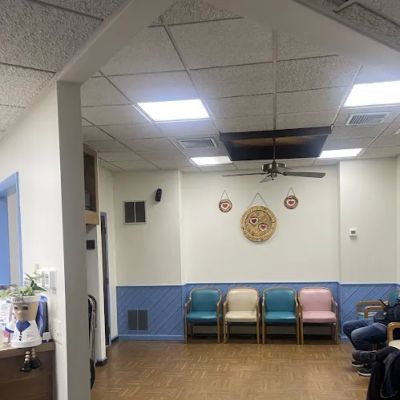
Lower Bucks Hospital
lower bucks hospital 501 bath rd bristol pa 19007
501 Bath Rd, Bristol, PA 19007, USA
Key Types of Cholesterol
1. LDL (Low-Density Lipoprotein): Often called “bad cholesterol” because it contributes to plaque buildup in arteries.
2. HDL (High-Density Lipoprotein): Known as “good cholesterol” because it helps remove excess cholesterol from the bloodstream.
3. Triglycerides: Another type of fat in the blood that can increase cardiovascular risk when levels are too high.
When LDL levels rise and HDL levels drop, plaque can gradually accumulate inside artery walls. This process, called atherosclerosis, reduces blood flow and increases the likelihood of heart attacks or strokes.
2. Why Many People Seek Alternatives to Statins
Statins are effective medications, but some people experience side effects such as muscle discomfort, digestive issues, or fatigue. Others simply prefer to explore lifestyle-based approaches before committing to long-term medication.
Healthcare providers often encourage patients to try nutrition changes and exercise improvements for several months, especially when cholesterol levels are only moderately elevated.
Nutrition Strategies That Naturally Reduce Cholesterol
1. Increasing Soluble Fiber Intake
Soluble fiber is one of the most effective natural tools for lowering LDL cholesterol. It works by binding with cholesterol particles in the digestive system and helping remove them from the body.
Foods Rich in Soluble Fiber
1. Oats and oat bran
2. Lentils and beans
3. Apples and pears
4. Chia seeds and flaxseeds
5. Barley and whole grains
A well-known nutrition study published by Harvard researchers showed that eating oatmeal daily can reduce LDL cholesterol by measurable amounts over several weeks.
2. Replacing Saturated Fats with Healthier Fats
One major contributor to high cholesterol is excessive consumption of saturated fats commonly found in fried foods, processed meats, and full-fat dairy products.
Heart-Friendly Fat Sources
1. Olive oil
2. Avocados
3. Nuts such as almonds and walnuts
4. Fatty fish including salmon, sardines, and mackerel
Omega-3 fatty acids in fish are particularly beneficial because they support healthy triglyceride levels and reduce inflammation in blood vessels.
For individuals looking for heart-friendly food options or supplements that support cardiovascular health, many people explore curated recommendations available through HeartCare Hub, which focuses on resources designed to help maintain healthy cholesterol levels.
3. Plant Sterols and Natural Cholesterol Blockers
Plant sterols are compounds found in certain vegetables, seeds, and fortified foods. These compounds resemble cholesterol molecules and can help block cholesterol absorption in the digestive system.
Natural Sources of Plant Sterols
1. Sunflower seeds
2. Pistachios
3. Whole grains
4. Vegetables such as broccoli and Brussels sprouts
Even small daily amounts of plant sterols can help reduce LDL cholesterol when combined with a balanced diet.
Lifestyle Changes That Support Healthy Cholesterol Levels
1. Regular Physical Activity
Exercise plays a critical role in improving cholesterol balance. Aerobic activity helps increase HDL levels while lowering LDL and triglycerides.
Effective Exercise Options
1. Brisk walking for 30 minutes daily
2. Cycling or swimming several times per week
3. Strength training two or three times weekly
Consistency matters more than intensity. Even moderate activity performed regularly can produce measurable cardiovascular improvements.
2. Weight Management and Metabolic Health
Carrying excess weight, particularly around the abdomen, is strongly linked to higher LDL and triglyceride levels. Losing even 5–10 percent of body weight can significantly improve cholesterol markers.
3. Improving Sleep and Stress Levels
Poor sleep and chronic stress can influence hormones that affect cholesterol metabolism. Stress hormones such as cortisol may indirectly contribute to elevated lipid levels.
Healthy Habits That Support Heart Health
1. Maintaining consistent sleep schedules
2. Practicing mindfulness or meditation
3. Reducing processed food consumption during stressful periods
Many people underestimate how strongly daily routines influence cardiovascular health over time.
Real-Life Story: Natural Cholesterol Management Success
A widely shared story on a health forum involved a 52-year-old office worker from California who discovered during a routine checkup that his LDL cholesterol had reached 175 mg/dL. His physician suggested lifestyle changes before prescribing medication.
Over the next six months he made several simple adjustments:
Key Changes He Implemented
1. Replacing fast food lunches with home-prepared meals containing vegetables and whole grains
2. Walking 45 minutes every evening after work
3. Switching from butter to olive oil for cooking
At his next medical appointment, his LDL level had dropped to 130 mg/dL and his HDL had improved significantly. While results vary between individuals, this story highlights how consistent habits can influence cholesterol levels without relying solely on medication.
Expert Guidance for Maintaining Long-Term Heart Health
1. Monitoring Cholesterol Regularly
Even when following healthy habits, routine blood tests remain essential. Lipid panels provide valuable insights into LDL, HDL, triglycerides, and overall cardiovascular risk.
2. Building Sustainable Habits Instead of Short-Term Diets
Extreme diets rarely produce lasting results. Nutrition experts emphasize sustainable routines that can be maintained for years rather than weeks.
Examples of Sustainable Habits
1. Cooking more meals at home
2. Incorporating vegetables into every meal
3. Scheduling weekly exercise routines
People searching for supportive tools, heart-healthy supplements, and educational resources often browse recommendations on HeartCare Hub, where practical wellness solutions for cardiovascular health are regularly discussed.
Learning how to lower cholesterol without statins requires patience and consistency. By combining balanced nutrition, physical activity, and stress management, many individuals can improve cholesterol levels and strengthen overall heart health while maintaining a sustainable lifestyle.

















Lower Bucks Hospital
lower bucks hospital bath road bristol pa
501 Bath Rd, Bristol, PA 19007, USA