How to Recover Safely After Open-Heart Surgery: Essential Steps

Published on Apr 27, 2026
How to Recover Safely After Open-Heart Surgery: Essential Steps

1. Understanding Your Recovery Journey

Open-heart surgery is a significant medical procedure, and recovering safely is crucial for your long-term health. The first few weeks following surgery are especially important as your body heals and adjusts. It's essential to understand the recovery process and the various stages involved.

1.1 What to Expect During Recovery

Immediately after surgery, you will spend some time in the hospital where doctors and nurses will monitor your recovery. As you begin healing, you'll gradually regain your strength and mobility. The recovery timeline varies for everyone, but it's common to experience fatigue, discomfort, and limited physical abilities in the first few weeks.

1.2 Importance of Following Medical Guidance

Your healthcare team will provide detailed instructions regarding pain management, wound care, medication, and lifestyle modifications. Following these instructions is vital to avoid complications and ensure your recovery progresses smoothly.

2. Following Post-Surgery Care Instructions

Once you're home from the hospital, adhering to your care instructions is critical. Proper care can prevent infections, minimize pain, and ensure your body heals as efficiently as possible.

2.1 Medication and Pain Management

Your doctor will prescribe medication to help manage pain and prevent infection. It's important to take medications as prescribed and to avoid missing doses. If you're experiencing increased pain or side effects, don't hesitate to contact your healthcare provider.

2.2 Wound Care and Hygiene

Proper care of your surgical incision site is crucial to prevent infection. Keep the area clean and dry, and follow your doctor’s advice regarding dressing changes. It's also important to watch for signs of infection, such as redness, swelling, or unusual discharge.

2.3 Monitoring Your Health

Post-surgery, it's essential to monitor your health regularly. Keep track of any changes, such as difficulty breathing, excessive swelling, or a sudden increase in fatigue. These symptoms should be reported to your doctor immediately.

3. Important Lifestyle Changes for Recovery

Recovering after open-heart surgery often requires making permanent lifestyle changes to support heart health and prevent further complications. These changes can include modifications to diet, exercise, and stress management.

3.1 Adopting a Heart-Healthy Diet

A heart-healthy diet plays a significant role in your recovery. Focus on eating plenty of fruits, vegetables, whole grains, lean proteins, and healthy fats. Avoid foods that are high in saturated fats, salt, and cholesterol, as they can strain your heart.

3.2 Regular, Low-Impact Exercise

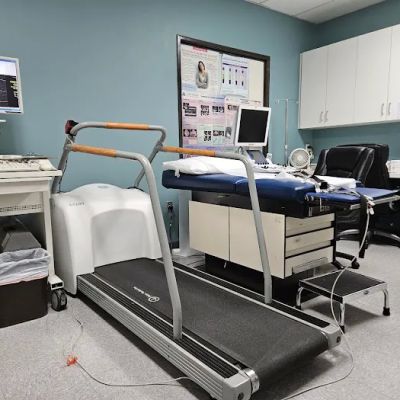
Exercise is essential to rebuilding strength after surgery. However, it's crucial to start slow and gradually increase the intensity. Walking, light stretching, and other low-impact exercises are ideal in the initial phase of recovery. Your doctor will provide specific recommendations based on your progress.

3.3 Managing Stress and Mental Health

Mental well-being is just as important as physical health during recovery. Many people experience anxiety or depression after major surgery. Consider engaging in stress-reducing activities like meditation, deep breathing exercises, or counseling to maintain a positive mindset.

4. Building Strength and Resilience Post-Surgery

The path to recovery involves gradually increasing your activity levels as your body becomes stronger. It's important to listen to your body and know when to rest and when to push forward.

4.1 Gradual Return to Normal Activities

As you heal, your doctor will advise you on when it's safe to resume your normal activities. Start with light activities and slowly increase your level of exertion. Avoid heavy lifting or strenuous exercise until your doctor gives you the go-ahead.

4.2 Strengthening Your Cardiovascular System

Cardiovascular health is a key focus after heart surgery. Regular, moderate exercise strengthens the heart and improves blood circulation. Follow your doctor’s recommendations on exercise routines that will help you rebuild cardiovascular strength safely.

4.3 Continuing Regular Check-Ups

It's important to have regular follow-up appointments with your healthcare provider to monitor your heart health. These check-ups will allow your doctor to assess your recovery, provide advice, and address any concerns you might have.

5. Recovery Case Study: A Real-Life Journey

Let’s take a look at a real-life example of a patient who successfully recovered from open-heart surgery.

5.1 The Recovery Story

John, a 62-year-old man, underwent open-heart surgery to treat coronary artery disease. His recovery process involved strict adherence to his doctor's instructions, including taking medications as prescribed, attending physical therapy sessions, and adopting a healthier lifestyle. Within six months, John was able to resume light exercise and return to work part-time.

5.2 Key Takeaways from John’s Journey

- Consistency in following post-surgery care is essential.- A healthy diet and exercise routine contributed greatly to his recovery.- Mental health support played a crucial role in managing stress and staying motivated.

Conclusion

Recovering after open-heart surgery requires careful planning, attention to detail, and a commitment to improving your overall health. By following your doctor’s advice, making lifestyle changes, and gradually increasing your activity, you can achieve a full recovery. For more tips and products to support your heart health, visit HeartCare Hub for expert advice and recommendations.