
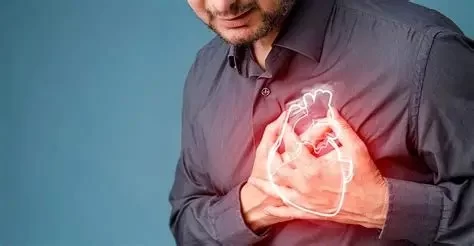
Why Some People Get “Silent” Heart Attacks — Signs You Shouldn’t Ignore
When we think of a heart attack, many of us imagine sudden, intense chest pain or shortness of breath. However, some heart attacks occur without the classic, noticeable symptoms — and these are known as “silent” heart attacks. These silent episodes can be just as dangerous as a full-blown heart attack, and recognizing the subtle signs could save your life. In this article, we’ll explore why some people experience silent heart attacks, the warning signs to look out for, and why early detection is critical.

1. What is a Silent Heart Attack?
A silent heart attack, also known as a “silent myocardial infarction,” occurs when blood flow to the heart muscle is blocked, but the person doesn’t experience the severe, typical symptoms of a heart attack. Many individuals may not even realize they’ve had one, as they might not experience the sharp chest pain that is commonly associated with heart attacks. In fact, studies suggest that silent heart attacks can be just as damaging to the heart as symptomatic ones, sometimes causing permanent heart damage.
Atlanta Heart Specialists
atlanta heart specialists
4375 Johns Creek Pkwy #350, Suwanee, GA 30024, USA

1.1 How Silent Heart Attacks Happen
Silent heart attacks are often linked to the same causes as regular heart attacks, including plaque buildup in the arteries (atherosclerosis), high blood pressure, or lifestyle factors such as smoking or an unhealthy diet. The primary difference lies in how the body reacts to the blockage. While many heart attacks send an unmistakable signal to the brain, triggering pain or discomfort, silent heart attacks may not cause noticeable discomfort or may cause symptoms that are easily overlooked or misinterpreted.
2. Who Is At Risk for a Silent Heart Attack?
While anyone can experience a silent heart attack, certain groups are at higher risk. This includes people with existing heart conditions, diabetes, high blood pressure, or a family history of heart disease. Older adults are also more likely to have silent heart attacks, as their bodies may not react as strongly to the blockage. Additionally, individuals with high cholesterol levels or those who are overweight are at an increased risk of experiencing a silent heart attack.
2.1 Common Risk Factors
- Age (people over 65 are at higher risk)
- Chronic conditions such as diabetes, high blood pressure, and high cholesterol
- Family history of heart disease
- Smoking
- Physical inactivity and poor diet
3. Subtle Signs of a Silent Heart Attack
While silent heart attacks don’t typically cause severe pain, they do have subtle symptoms that can be easy to ignore. These signs may be mistaken for other health issues, but they should not be dismissed. Here are some of the common signs:
3.1 Unexplained Fatigue
Fatigue is one of the most common symptoms associated with a silent heart attack. If you feel unusually tired or weak, even after a good night’s sleep, it may be a sign that your heart is not pumping as efficiently as it should. This is especially true if the fatigue is sudden or intense and doesn't seem to have a clear cause.
3.2 Shortness of Breath
Breathing difficulties can sometimes be subtle after a silent heart attack. You may notice that you get winded more easily than usual or feel like you can’t catch your breath after light activity. This can happen because the heart is not pumping blood as effectively, which reduces oxygen levels in the body.
3.3 Discomfort or Pain in the Upper Body
While chest pain is the classic symptom of a heart attack, silent heart attacks may cause discomfort in other parts of the body. You may experience pain or discomfort in your arms, jaw, neck, back, or stomach. The pain is often vague and can be mistaken for other conditions, such as indigestion or muscle soreness.
3.4 Nausea and Lightheadedness
Nausea, dizziness, and lightheadedness are common symptoms of both silent and regular heart attacks. These symptoms are particularly important to note if they occur along with any of the other warning signs, like fatigue or shortness of breath.
4. Why Silent Heart Attacks Are Dangerous
The lack of clear symptoms means that many people don’t seek medical help after experiencing a silent heart attack. Unfortunately, this can lead to further damage to the heart muscle and increase the risk of future heart problems, including heart failure or additional heart attacks. Without treatment, the damage to the heart can also increase the likelihood of developing arrhythmias (irregular heartbeats), which can be life-threatening.
4.1 Long-Term Effects
Even after a silent heart attack, the long-term consequences can be serious. If the heart muscle is damaged, it may not function as efficiently, and the individual may be at higher risk for future cardiac events. Furthermore, undiagnosed heart attacks can lead to increased scarring on the heart, which can affect its ability to pump blood effectively.
5. What to Do if You Suspect a Silent Heart Attack
If you suspect that you’ve experienced a silent heart attack, it’s important to seek medical attention right away. Early intervention can help minimize the damage to your heart and reduce the likelihood of future complications. A doctor will likely perform diagnostic tests, such as an ECG or blood tests, to assess the damage and determine the next steps in treatment.
5.1 Seeking Medical Help
Even if you are not sure whether you’ve had a heart attack, it’s better to err on the side of caution. Tell your doctor about any symptoms you’ve been experiencing, especially if they are unusual or have been ongoing. Timely intervention is critical in preventing further damage to the heart and improving long-term health outcomes.
6. Preventing Silent Heart Attacks
Prevention is always better than treatment, and there are several steps you can take to reduce the risk of silent heart attacks. Maintaining a healthy lifestyle by eating a balanced diet, exercising regularly, and avoiding smoking are all essential in promoting heart health. Regular check-ups with your doctor are also vital, as they can help detect early signs of heart disease before a silent heart attack occurs.
6.1 Lifestyle Changes for Heart Health
- Eating a heart-healthy diet, low in saturated fats and high in fiber
- Exercising regularly to maintain a healthy weight
- Managing stress and practicing relaxation techniques
- Limiting alcohol consumption and avoiding tobacco use
Conclusion
Silent heart attacks are often unnoticed but can be just as dangerous as the more typical type of heart attack. Recognizing the subtle signs and seeking prompt medical care is crucial to preventing further damage to your heart. If you think you may have experienced a silent heart attack, don’t ignore the symptoms. Early intervention can make all the difference in your long-term health. Remember to visit HeartCare Hub for more information on heart health, prevention tips, and how to keep your heart strong.



















Deborah Heart and Lung Center
deborah heart and lung center
200 Trenton Rd, Browns Mills, NJ 08015, USA