1. What Is Supraventricular Tachycardia (SVT)?
Supraventricular tachycardia (SVT) is a condition where the heart beats abnormally fast due to improper electrical signals in the heart’s upper chambers, known as the atria. This rapid heartbeat can cause symptoms such as dizziness, shortness of breath, and chest discomfort. SVT is typically not life-threatening, but it can significantly impact a person's quality of life. Understanding what SVT is, its symptoms, and how it can be treated is essential for managing the condition effectively.
2. What Causes Supraventricular Tachycardia?
SVT occurs when there is a disturbance in the normal electrical pathway of the heart. The condition often results from an abnormal circuit of electrical impulses in the atria or the AV node, a part of the heart that regulates the rhythm. Several factors can trigger SVT, including:
2.1 Electrical Abnormalities
In SVT, the electrical signals that regulate the heartbeat become disrupted. This leads to episodes of rapid heartbeats, often exceeding 100 beats per minute. These disruptions are often triggered by structural issues or electrical abnormalities in the heart.
2.2 Underlying Heart Conditions
Conditions such as heart disease, high blood pressure, or congenital heart defects can contribute to the development of SVT. It is essential to manage these conditions to minimize the risk of arrhythmias like SVT.
2.3 Lifestyle Factors
Stress, caffeine, alcohol, or certain medications can also trigger episodes of SVT. Leading a healthy lifestyle can help prevent these episodes from occurring.
3. Symptoms of Supraventricular Tachycardia
The symptoms of SVT can vary, but they often include:
3.1 Palpitations
The most common symptom of SVT is the sensation of a rapid, pounding heartbeat. This can feel like the heart is fluttering or racing in the chest.
3.2 Shortness of Breath
During an SVT episode, the heart's rapid pace may cause shortness of breath, which can make it difficult to perform regular activities.
3.3 Dizziness or Lightheadedness
Some people experience dizziness or fainting during an episode due to the heart’s inability to pump blood effectively during rapid beats.
3.4 Chest Pain or Pressure
SVT can sometimes cause chest discomfort, similar to what might be felt during a heart attack. This is a critical symptom that requires medical attention.
4. How Is Supraventricular Tachycardia Diagnosed?
If you experience symptoms of SVT, it's essential to seek medical advice. A doctor may recommend the following tests to diagnose SVT:
4.1 Electrocardiogram (ECG)
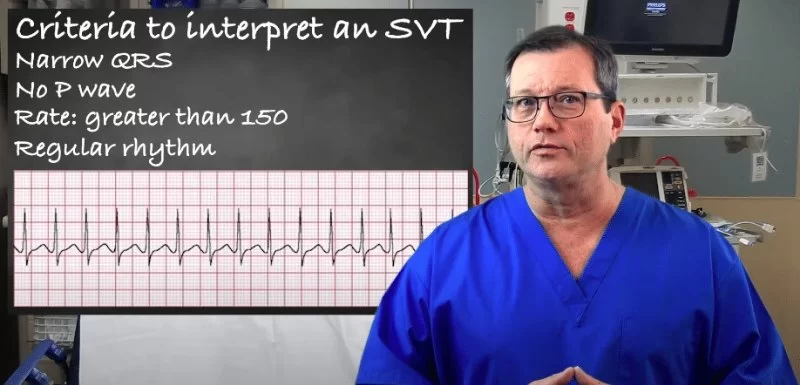
An ECG is the primary tool used to diagnose SVT. This test records the heart’s electrical activity and can identify any abnormal rhythms.
4.2 Holter Monitor
A Holter monitor is a portable device worn for 24 to 48 hours to track the heart’s rhythm. It helps doctors understand how often SVT occurs and its triggers.
4.3 Electrophysiology Study (EPS)
In more complex cases, an electrophysiology study may be performed. This test allows doctors to map the heart’s electrical pathways to locate the origin of the abnormal rhythms.
5. Treatment Options for Supraventricular Tachycardia
Fortunately, SVT can be effectively treated. The goal of treatment is to control the rapid heart rate and prevent future episodes. Here are some common treatment options:
5.1 Vagal Maneuvers
For some people, simple maneuvers such as holding your breath or coughing can help slow down the heart rate. These actions stimulate the vagus nerve and may restore a normal rhythm.
5.2 Medications
If vagal maneuvers don’t work, doctors may prescribe medications such as beta-blockers, calcium channel blockers, or antiarrhythmic drugs. These medications help control the heart rate and prevent episodes.
5.3 Cardioversion
In cases of more severe SVT, a procedure called cardioversion may be used. This procedure delivers a controlled electric shock to the heart to restore a normal rhythm.
5.4 Catheter Ablation
If SVT episodes are frequent or difficult to control, catheter ablation may be recommended. This minimally invasive procedure uses radiofrequency energy to destroy the abnormal electrical pathways that cause the rapid heart rate.
6. Living with Supraventricular Tachycardia
While SVT can be challenging, many people can lead healthy lives with proper management. Here are some tips for living with SVT:
6.1 Stress Management
Managing stress through relaxation techniques such as yoga, meditation, or breathing exercises can help reduce the frequency of SVT episodes.
6.2 Healthy Diet
A balanced diet low in caffeine, alcohol, and processed foods can help reduce the risk of triggering SVT. Staying hydrated and eating foods rich in magnesium and potassium can also promote heart health.
6.3 Regular Exercise
Engaging in regular physical activity can improve heart health and reduce the risk of arrhythmias. Always consult with your doctor before starting any new exercise program.
If you’ve been diagnosed with SVT or suspect you may have it, visit HeartCare Hub for more information and resources on managing heart arrhythmias. Our team of specialists can help you find the best treatments and lifestyle changes to improve your heart health.