- What Is a Transesophageal Echocardiogram (TEE)?
- How Does a Transesophageal Echocardiogram Work?
- Why Would a Transesophageal Echocardiogram Be Needed?
- Preparing for a Transesophageal Echocardiogram
- After a Transesophageal Echocardiogram
1. What Is a Transesophageal Echocardiogram (TEE)?
As someone who has always had a keen interest in heart health, I was fascinated when I first learned about the transesophageal echocardiogram (TEE). It’s a diagnostic procedure used to visualize the heart’s structures and functions, much like a regular echocardiogram. However, the TEE uses a specialized probe inserted into the esophagus, which provides clearer images of the heart’s chambers, valves, and blood vessels.
The key difference between a traditional echocardiogram and a TEE is where the ultrasound probe is placed. In a typical echocardiogram, a technician places a probe on the chest to take images of the heart. In contrast, for a TEE, the probe is inserted into the esophagus, which lies just behind the heart, allowing for a more precise and detailed view of the heart. This is particularly useful for patients who have poor image quality from a regular echocardiogram due to obesity, lung disease, or other factors.
2. How Does a Transesophageal Echocardiogram Work?
When I first heard about TEE, I wondered how such a procedure could give a more detailed view of the heart. The process itself is fairly straightforward, but the technology behind it is fascinating. Here's how it works:
1. Preparation: Before the procedure, you’ll be asked to fast for several hours to ensure your stomach is empty. This helps avoid any discomfort during the procedure and reduces the risk of complications. In some cases, sedatives or anesthesia may be administered to keep the patient relaxed during the procedure.
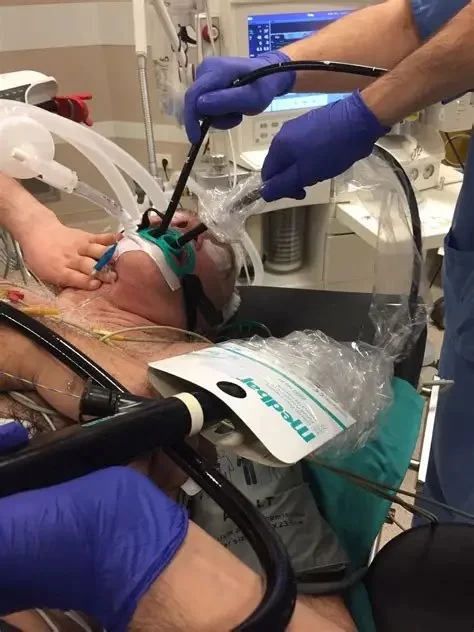
2. Insertion of the Probe: The procedure begins by a healthcare provider inserting a flexible probe into the mouth and guiding it into the esophagus. The probe contains an ultrasound transducer, which sends high-frequency sound waves to produce real-time images of the heart. The images are then displayed on a monitor for the healthcare provider to examine.
3. Image Collection: As the probe moves closer to the heart, it sends sound waves that bounce off the heart's structures. These sound waves are then converted into images that provide a detailed look at the heart’s chambers, valves, and blood vessels.
4. Completion: The entire procedure typically lasts between 30 minutes to an hour. After the images are collected, the probe is removed, and you will be monitored for a short period until the sedatives wear off.
3. Why Would a Transesophageal Echocardiogram Be Needed?
There are several reasons why a doctor might recommend a TEE over a traditional echocardiogram. Based on my research and personal knowledge, here are some of the common situations where TEE is used:
1. To Assess Heart Valve Issues: If a doctor suspects there is a problem with a heart valve, such as regurgitation or stenosis, a TEE can provide clearer images to confirm the diagnosis. This is crucial in determining the severity of the condition and deciding on the best treatment plan.
2. To Detect Blood Clots: One of the primary uses of a TEE is to look for blood clots in the heart. These clots can increase the risk of stroke, especially in patients with atrial fibrillation or other heart conditions. A TEE offers a more detailed image, which allows doctors to see even small clots that may not be visible with a regular echocardiogram.
3. To Diagnose Aortic Conditions: If a patient has a suspected aneurysm or dissection of the aorta (the large artery that carries blood from the heart), a TEE provides a more accurate and clear view of the aorta’s condition. This can be life-saving as aortic problems often require urgent intervention.
4. For Pre-Surgical Evaluation: Before certain types of heart surgeries, doctors may use a TEE to evaluate the heart’s structure and functionality. This helps ensure the surgeon has a clear understanding of any existing conditions that might impact the surgery.
4. Preparing for a Transesophageal Echocardiogram
Preparation for a TEE is relatively simple but important for ensuring the procedure goes smoothly. Based on my experience and what I’ve learned from medical professionals, here’s what you can expect during the preparation process:
1. Fasting: You’ll be asked to avoid eating or drinking for at least 6 hours before the procedure. This is necessary to reduce the risk of aspiration (food or liquid entering the airway) during the procedure, as the probe will be inserted into the esophagus.
2. Sedation: Most patients are given a sedative to help them relax during the procedure. Depending on the individual case, a local anesthetic may also be used to numb the throat and esophagus. In some cases, general anesthesia might be administered, especially if the patient is particularly anxious or if a more invasive procedure is anticipated.
3. Pre-Procedure Discussion: Before the TEE, you’ll meet with your healthcare provider to discuss any concerns and provide medical history, including any medications or allergies you may have. It’s essential to inform your doctor of any blood thinners or heart medications you’re taking.
5. After a Transesophageal Echocardiogram
Once the procedure is over, it’s time to focus on recovery. I’ve learned that the recovery process is relatively quick, but there are a few things to keep in mind:
1. Monitoring: You’ll be monitored for a short period until the sedatives wear off. Most people are able to go home the same day as the procedure. However, you should avoid driving for 24 hours after the procedure if you were sedated.
2. Throat Discomfort: Some patients experience a sore throat or mild discomfort after the procedure. This is usually temporary and should go away within a few hours. Drinking warm liquids can help soothe the throat.
3. Follow-Up: Your doctor will discuss the results of the TEE with you once they’ve reviewed the images. If any issues were found, such as heart valve problems or blood clots, a treatment plan will be discussed.
If you're facing any heart concerns and have been advised to undergo a TEE, rest assured that it is a safe and effective procedure. For more information or to find the best heart care products and services, be sure to visit【HeartCare Hub】 for expert advice and recommendations.