How to Reduce the Risk of Heart Disease in Your 40s
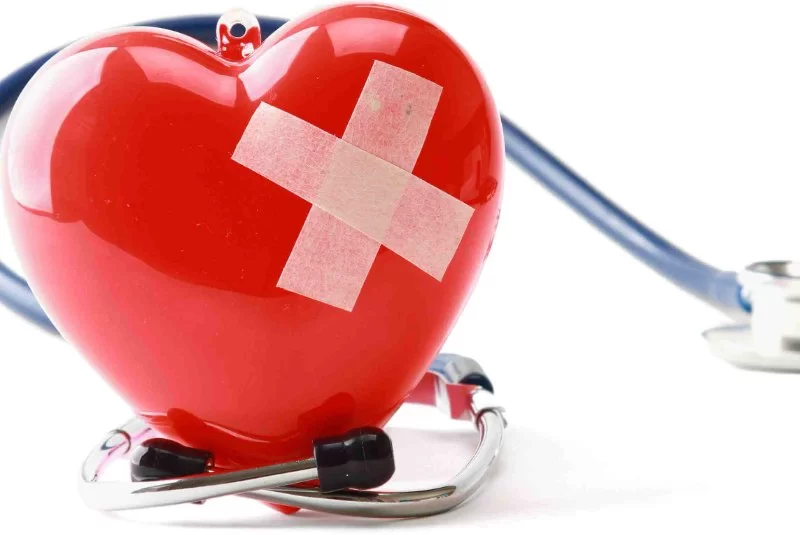
When I entered my 40s, I realized that maintaining good health required more than just keeping fit—it meant actively managing my heart health. Heart disease is a leading cause of death in the U.S., but the good news is, many of its risk factors are preventable. In this article, I’ll share practical steps and lifestyle changes that can help reduce your risk of heart disease, especially as you navigate this important decade of your life.

Understanding Heart Disease Risk in Your 40s
Heart disease risk factors tend to accumulate over time, often without noticeable symptoms. By the time you reach your 40s, lifestyle choices made in your 20s and 30s can have a long-term effect on your cardiovascular health. Common risk factors for heart disease include high blood pressure, high cholesterol, smoking, lack of exercise, and poor diet. The good news is that this is the time when you can take charge and begin making changes to protect your heart.
Atlanta Heart Specialists
atlanta heart specialists
4375 Johns Creek Pkwy #350, Suwanee, GA 30024, USA

Healthy Eating Habits to Reduce Heart Disease Risk
One of the most impactful ways to lower your heart disease risk is by improving your diet. I’ve personally experienced how transforming my eating habits positively impacted my energy levels and overall well-being. Here are some dietary changes that can help reduce heart disease risk:
- Increase Fiber Intake: Fiber-rich foods like whole grains, fruits, and vegetables help lower bad cholesterol levels, which is a key factor in heart disease.
- Reduce Saturated Fats: Cutting back on saturated fats found in processed meats, fast food, and dairy products can help lower cholesterol and improve heart health.
- Incorporate Healthy Fats: Adding sources of healthy fats like avocados, olive oil, and nuts helps reduce harmful cholesterol levels and improves overall cardiovascular health.
- Limit Sodium: Too much sodium can elevate blood pressure, a major risk factor for heart disease. Opt for fresh foods and limit the amount of processed foods you eat.
- Eat More Omega-3 Fatty Acids: These heart-healthy fats, found in fatty fish like salmon, flaxseeds, and walnuts, are known to reduce inflammation and lower triglyceride levels.
Exercise and Physical Activity
In my 40s, I found that staying active not only kept my weight in check, but it also provided a noticeable boost to my mood and energy. Regular physical activity strengthens your heart, reduces blood pressure, and lowers cholesterol. If you’re new to exercise, it’s never too late to start!
- Cardio Exercise: Activities like walking, jogging, cycling, or swimming improve heart function and increase blood circulation.
- Strength Training: Incorporating strength exercises into your routine helps build muscle mass and can prevent obesity, which is linked to heart disease.
- Consistency: The key is to find activities you enjoy and make them part of your weekly routine. Aim for at least 150 minutes of moderate aerobic activity or 75 minutes of vigorous activity each week.
Monitoring Your Heart Health
Regular check-ups with your healthcare provider are essential in tracking your heart health. During my 40s, I made sure to regularly monitor key health indicators that affect cardiovascular health:
- Blood Pressure: High blood pressure is a major contributor to heart disease. I check my blood pressure regularly, as it’s essential to keep it under control.
- Cholesterol Levels: High cholesterol can lead to the buildup of plaque in arteries, increasing the risk of heart disease. Have your cholesterol checked at least once a year, and keep track of the numbers.
- Blood Sugar: Diabetes and high blood sugar levels can damage blood vessels and increase heart disease risk. Maintaining healthy blood sugar levels is key to cardiovascular health.
Managing Stress for Better Heart Health
Chronic stress can take a toll on your heart, raising blood pressure and contributing to unhealthy lifestyle choices. Personally, I’ve noticed that reducing stress improves my overall sense of well-being and helps me focus on heart-healthy habits. Here’s how to manage stress:
- Practice Mindfulness: Techniques like meditation, deep breathing, and yoga help calm the mind and reduce stress levels.
- Prioritize Rest: Adequate sleep is crucial for both mental and physical health. Aim for 7-9 hours of sleep each night to allow your body to repair and rejuvenate.
- Social Connections: Spending time with loved ones and engaging in social activities can alleviate stress and improve heart health.
Quitting Smoking and Limiting Alcohol
Quitting smoking and limiting alcohol are two powerful steps I took to lower my heart disease risk. Smoking is one of the leading causes of heart disease, and excessive alcohol intake can raise blood pressure and damage the heart muscle. Cutting back on these habits can drastically improve your cardiovascular health.
Genetic Factors and Heart Health
While lifestyle choices play a significant role, it’s also important to consider genetics. Heart disease runs in families, and if you have a family history of heart disease, your risk may be higher. However, even with a genetic predisposition, healthy habits can still significantly reduce your risk. I recommend discussing your family history with your healthcare provider to create a tailored plan that addresses your individual risks.
When to Seek Professional Help
It’s essential to be aware of symptoms that may indicate heart issues, such as chest pain, shortness of breath, or dizziness. If you experience any of these symptoms, seek medical attention immediately. Early intervention is key in preventing further damage to the heart and ensuring better outcomes.
Taking action now, even in your 40s, is the best way to protect your heart and ensure long-term health. By adopting healthy habits, monitoring your heart health, and managing stress, you can reduce the risk of heart disease and enjoy a better quality of life for years to come.
















Deborah Heart and Lung Center
deborah heart and lung center
200 Trenton Rd, Browns Mills, NJ 08015, USA