
- 1. Understanding Heart Disease in Seniors
- 2. Common Warning Signs of Heart Disease in Older Adults
- 3. Risk Factors for Heart Disease in Seniors
- 4. How to Respond to Heart Disease Symptoms
- 5. Preventative Measures for Heart Health in Seniors
1. Understanding Heart Disease in Seniors
Heart disease is one of the leading causes of death among older adults, and it often goes undiagnosed until it's too late. As a family member of someone with heart disease, I know firsthand how important it is to be aware of the warning signs, especially in seniors. The symptoms can often be subtle, making it difficult to recognize the condition until it becomes more serious. In this article, I will share my personal experiences and knowledge on how to recognize the warning signs of heart disease in seniors, as well as some important steps to take for early intervention and prevention.
Heart disease in seniors is a broad term that encompasses various conditions, including coronary artery disease, heart failure, and arrhythmias. The aging process can increase the likelihood of developing heart disease, as arteries can become stiff, and the heart muscle may weaken over time. But knowing what to look for can make a significant difference in early detection and improving outcomes.
2. Common Warning Signs of Heart Disease in Older Adults
When I first began learning about heart disease in seniors, I realized that some of the symptoms could be easily overlooked or attributed to other conditions associated with aging. Here are some of the most common warning signs of heart disease in older adults that I’ve found important to watch for:
Atlanta Heart Specialists
atlanta heart specialists
4375 Johns Creek Pkwy #350, Suwanee, GA 30024, USA

1. Chest Pain or Discomfort
Chest pain is one of the most common symptoms of heart disease, but it can also be more subtle in seniors. The pain may not always be sharp or intense—it could be a dull ache or pressure. I’ve noticed that my elderly relatives have sometimes described their chest discomfort as a sensation of heaviness. If you or a senior loved one experiences any discomfort or pressure in the chest, it’s important to take it seriously and seek medical attention immediately.
2. Shortness of Breath
Another sign of heart disease is shortness of breath, particularly during activities that are usually easy to do, such as walking or climbing stairs. As I witnessed with a family member, this can sometimes be mistaken for normal aging or the result of being out of shape. However, shortness of breath can indicate heart failure, where the heart isn’t pumping blood efficiently. If shortness of breath is persistent, it’s crucial to consult a healthcare professional.
3. Fatigue and Weakness
Fatigue and weakness are common symptoms of many health issues, including heart disease. As people age, they often experience some degree of tiredness, but when it becomes chronic and occurs even after rest, it could be a sign of heart problems. I’ve noticed that in some seniors, fatigue can be linked to the heart’s inability to pump enough blood, which can leave them feeling drained even after minimal activity.
4. Swelling in the Legs, Ankles, or Feet
Swelling, particularly in the lower extremities, can be a sign of heart failure. When the heart isn’t functioning properly, it can cause fluid to accumulate in the body, leading to swelling in the legs, ankles, or feet. I’ve seen seniors with this symptom, and it’s often accompanied by weight gain. If this happens regularly, it’s important to get it checked out by a doctor.
5. Dizziness or Lightheadedness
Feeling lightheaded or dizzy, especially when standing up quickly, could indicate an issue with blood circulation, potentially caused by heart disease. Seniors may also experience fainting spells or dizziness, which can be dangerous if they lead to falls. If these symptoms occur frequently, it’s vital to investigate the underlying cause with a healthcare professional.
3. Risk Factors for Heart Disease in Seniors
While heart disease can affect anyone, certain risk factors increase the likelihood of developing it, particularly in seniors. Understanding these factors can help you and your family make proactive decisions to reduce the risk of heart disease. Some key risk factors include:
1. Age
As people age, the risk of heart disease naturally increases. The heart’s ability to function effectively declines with age, making it more susceptible to conditions like high blood pressure and clogged arteries. In my family, this was a noticeable issue as our relatives aged, and their risk of heart disease became higher.
2. High Blood Pressure
High blood pressure, or hypertension, is one of the most significant risk factors for heart disease. It can damage the blood vessels and cause the heart to work harder. Regular monitoring of blood pressure is essential, especially in seniors. My elderly relative’s heart disease diagnosis was largely related to their long-standing high blood pressure, which had been untreated for years.
3. High Cholesterol
Elevated cholesterol levels can lead to the buildup of plaque in the arteries, which can restrict blood flow to the heart. Many seniors have high cholesterol without even knowing it, as it doesn’t always show clear symptoms. Regular cholesterol screenings are crucial for older adults, especially if they have a family history of heart disease.
4. Family History
Having a family history of heart disease can significantly increase the risk. As I’ve seen firsthand, heart disease often runs in families, and understanding your family’s health history is vital in identifying risks early on. Knowing these risks can help guide your healthcare provider in recommending preventative measures.
5. Diabetes
Diabetes is another major risk factor for heart disease. High blood sugar levels can damage the blood vessels and lead to heart-related complications. Seniors with diabetes need to manage their blood sugar levels carefully to reduce their risk of heart disease.
4. How to Respond to Heart Disease Symptoms
If you or a loved one begins to experience any of the warning signs of heart disease, it’s important to act quickly. Here’s what you should do:
1. Seek Immediate Medical Attention
If you experience chest pain, shortness of breath, or fainting, seek medical help immediately. These symptoms could indicate a heart attack or other serious heart condition. Don’t wait for the symptoms to subside—time is critical when it comes to heart disease.
2. Follow a Heart-Healthy Lifestyle
Once heart disease is diagnosed or if you are at risk, following a heart-healthy lifestyle is essential. This includes adopting a balanced diet, regular exercise, and stress management. If heart disease runs in your family, these lifestyle changes can help reduce the risk and improve overall health.
3. Regular Checkups
Regular checkups with your doctor are crucial for monitoring heart health. Make sure to keep up with routine tests such as cholesterol screenings, blood pressure checks, and blood sugar monitoring. These checkups allow for early detection of potential problems and help you take action before the disease progresses.
5. Preventative Measures for Heart Health in Seniors
Preventing heart disease before it starts is always the best approach. If you have a family history of heart disease or are experiencing any of the warning signs, there are several steps you can take to protect your heart:
1. Eat a Heart-Healthy Diet
A diet rich in fruits, vegetables, whole grains, lean proteins, and healthy fats can help prevent heart disease. Seniors should avoid foods high in sodium, saturated fats, and refined sugars. I’ve seen how adopting a plant-based diet has helped my elderly family members improve their heart health.
2. Stay Physically Active
Regular exercise helps maintain a healthy weight, lowers blood pressure, and strengthens the heart. Even light activities like walking, swimming, or yoga can significantly benefit heart health. It’s important to stay as active as possible to keep the heart strong and reduce the risk of heart disease.
3. Quit Smoking
If you smoke, quitting is one of the best things you can do for your heart. Smoking damages the blood vessels and increases the risk of heart disease. For seniors, quitting smoking is especially critical as it can dramatically improve heart health and reduce the likelihood of complications.
By recognizing the signs of heart disease and taking proactive steps to manage heart health, you can help prevent complications and improve the quality of life for seniors. It’s essential to stay vigilant and consult a healthcare provider for regular checkups and guidance. Heart disease may be a significant concern, but with the right lifestyle choices and early intervention, we can reduce its impact.
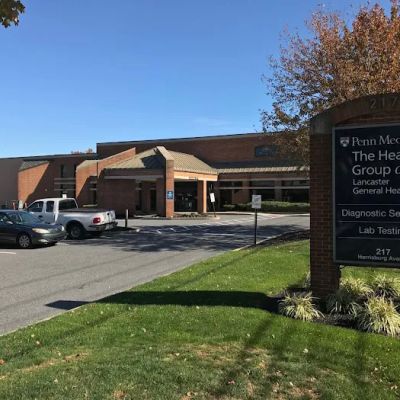

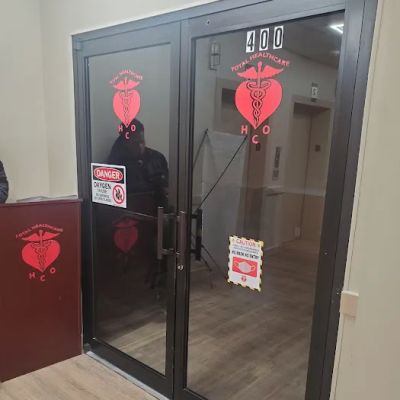













Deborah Heart and Lung Center
deborah heart and lung center
200 Trenton Rd, Browns Mills, NJ 08015, USA