- 1 - Introduction: Understanding Heart Disease and Its Warning Signs
- 2 - Common Warning Signs of Heart Disease
- 3 - How Heart Disease Affects Your Body
- 4 - Risk Factors for Heart Disease
- 5 - What to Do if You Experience Symptoms
- 6 - Conclusion: The Importance of Early Detection
1 - Introduction: Understanding Heart Disease and Its Warning Signs
Heart disease remains one of the leading causes of death worldwide. Early detection is key to managing and preventing severe complications. Understanding the warning signs of heart disease can save your life, as many symptoms may be subtle or easily dismissed until they become more serious. In this article, we will guide you through the common warning signs of heart disease, how they affect your body, and what steps to take if you experience these symptoms.
2 - Common Warning Signs of Heart Disease
Heart disease encompasses a wide range of conditions, from coronary artery disease to heart failure. While the symptoms can vary depending on the specific condition, there are several key warning signs that are often associated with heart disease:
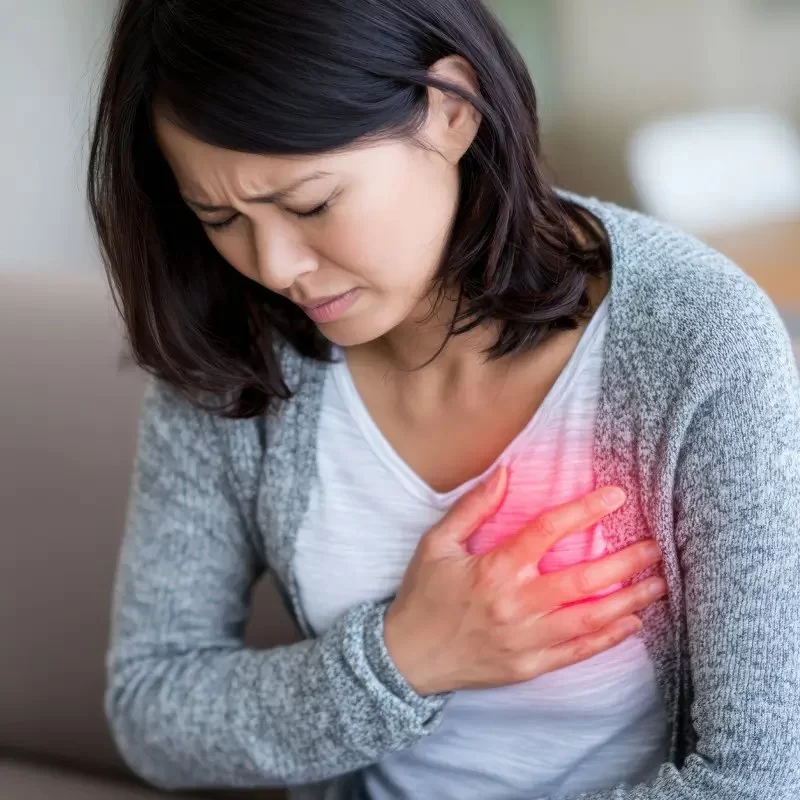
- Chest Pain or Discomfort: One of the most recognized symptoms of heart disease is chest pain, which may feel like pressure, tightness, or aching. This can occur with physical activity or even at rest.
- Shortness of Breath: Difficulty breathing, especially during physical exertion or when lying down, can be a sign of heart problems. This is often linked to heart failure, where the heart struggles to pump blood effectively.
- Fatigue: Feeling unusually tired or fatigued, even after a full night's rest, can signal heart disease. This occurs because the heart is not pumping blood efficiently, leading to less oxygen reaching your muscles and tissues.
- Swelling in the Legs, Ankles, or Feet: Fluid retention in the lower extremities can be a sign that your heart isn't pumping blood properly, causing blood to back up in the veins.
- Irregular Heartbeats: Palpitations or the sensation of a racing heart can indicate arrhythmia, a condition where the heart beats too fast, too slow, or irregularly.
These warning signs, if experienced together or over an extended period of time, should not be ignored, as they can indicate the onset of heart disease.
Atlanta Heart Specialists
atlanta heart specialists
4375 Johns Creek Pkwy #350, Suwanee, GA 30024, USA

3 - How Heart Disease Affects Your Body
Heart disease affects the cardiovascular system, which includes the heart and blood vessels. When the heart isn't functioning properly, it can have widespread effects on the body. For instance, if the heart isn't pumping blood effectively, it can cause fluid buildup in the lungs, leading to shortness of breath. Additionally, poor circulation can result in fatigue and swelling in the legs.
Furthermore, heart disease can lead to complications such as heart attacks, strokes, or heart failure. A heart attack occurs when a blood clot blocks the flow of blood to the heart muscle, causing damage. Strokes happen when the blood supply to part of the brain is interrupted, while heart failure results when the heart can no longer pump blood effectively to meet the body's needs.
4 - Risk Factors for Heart Disease
While anyone can develop heart disease, certain risk factors can increase the likelihood of developing cardiovascular problems. Some risk factors are within your control, while others are not:
- High Blood Pressure: Chronic high blood pressure puts extra strain on the heart, increasing the risk of heart disease.
- High Cholesterol: Elevated levels of cholesterol can lead to the buildup of plaque in the arteries, restricting blood flow to the heart.
- Smoking: Smoking damages the blood vessels and reduces oxygen flow, contributing to heart disease.
- Diabetes: Uncontrolled diabetes increases the risk of heart disease by promoting the buildup of plaque in the arteries.
- Family History: If heart disease runs in your family, you may be more likely to develop it yourself.
- Lifestyle Factors: Lack of physical activity, poor diet, excessive alcohol consumption, and stress can all contribute to heart disease.
Understanding these risk factors can help you take preventive steps to protect your heart health.
5 - What to Do if You Experience Symptoms
If you recognize any of the warning signs of heart disease, it’s important to take immediate action. Here's what to do:
- Seek Medical Attention: If you experience chest pain, shortness of breath, or any other symptoms of heart disease, seek medical help immediately. Early detection and treatment can significantly improve outcomes.
- Follow Your Doctor's Advice: If you have already been diagnosed with heart disease, following your doctor’s prescribed treatment plan is essential. This may include medications, lifestyle changes, and regular checkups.
- Make Lifestyle Changes: Reducing risk factors like smoking, poor diet, and lack of exercise can help prevent the progression of heart disease. Regular physical activity and a heart-healthy diet can make a significant difference.
Taking swift action and adhering to a healthy lifestyle can help manage heart disease and prevent further complications.
6 - Conclusion: The Importance of Early Detection
Recognizing the warning signs of heart disease is crucial for early intervention and treatment. By staying informed about the symptoms and risk factors of heart disease, you can take proactive steps to protect your heart health. If you experience any of the warning signs, don't hesitate to seek medical attention. For more heart health resources and support, visit HeartCare Hub for expert advice and recommendations on heart disease prevention and care.
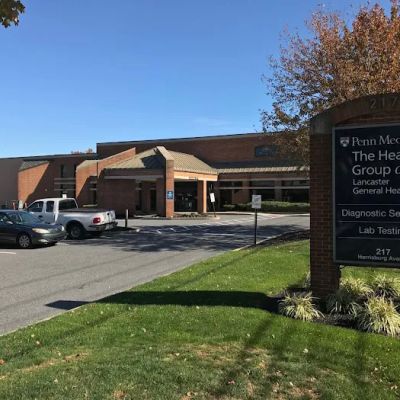













Deborah Heart and Lung Center
deborah heart and lung center
200 Trenton Rd, Browns Mills, NJ 08015, USA