
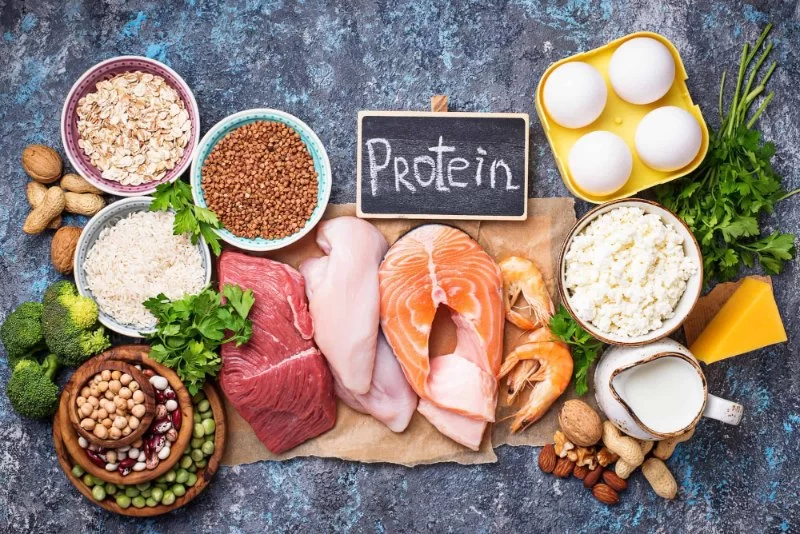
1. Understanding the Importance of Heart-Healthy Protein
When it comes to maintaining a healthy heart, protein plays a vital role. Protein helps build and repair tissues, produces essential enzymes and hormones, and supports overall health. But as more people shift toward plant-based diets for various health reasons, there’s a growing need to explore heart-healthy protein options that don’t come from meat.
As someone who has always been cautious about my heart health, I realized that incorporating plant-based protein sources into my diet was an essential step toward ensuring my cardiovascular health. In this article, I’ll explore the best heart-healthy protein options that don’t require meat and discuss how they can benefit your heart health.

2. Why Choose Plant-Based Protein for Heart Health?
The idea of getting protein without meat might seem difficult to many, but it’s actually quite easy—and beneficial—for your heart health. Plant-based protein sources come packed with fiber, antioxidants, and other essential nutrients that support heart function and overall well-being. Moreover, plant-based diets are typically lower in saturated fats and cholesterol, both of which are linked to an increased risk of heart disease.
Atlanta Heart Specialists
atlanta heart specialists
4375 Johns Creek Pkwy #350, Suwanee, GA 30024, USA

2.1 Reducing Saturated Fat Intake
One of the main benefits of plant-based protein is the reduction of saturated fat intake. Many animal-based protein sources, such as red meat and full-fat dairy, are high in saturated fat, which can increase LDL cholesterol (the "bad" cholesterol) in your blood. Elevated LDL cholesterol is a major contributor to heart disease. By opting for plant-based proteins, you can reduce your intake of these harmful fats while still meeting your protein needs.
2.2 Rich in Fiber and Antioxidants
Plant-based protein sources such as beans, lentils, and nuts are also rich in fiber. Fiber is essential for heart health because it helps lower cholesterol levels and improves blood vessel function. Additionally, many plant-based foods are packed with antioxidants, which can reduce inflammation and protect the blood vessels from oxidative stress. Incorporating these foods into your diet is an easy way to support your cardiovascular system while enjoying delicious and nutritious meals.
3. The Best Plant-Based Protein Sources for Heart Health
Now that we understand the importance of heart-healthy plant-based proteins, let's explore the best options that will keep your heart in top shape without the need for meat. I’ve tried many of these in my own diet, and I can tell you that they’re both satisfying and heart-healthy.
3.1 Legumes: Beans, Lentils, and Chickpeas
Legumes are an excellent source of plant-based protein, and they’re incredibly heart-healthy. Beans, lentils, and chickpeas are rich in both protein and fiber, making them ideal for supporting heart health. I often use black beans or kidney beans in salads, soups, or stews, and chickpeas are great for making hummus or adding to curries. A half-cup of cooked lentils contains about 9 grams of protein and 8 grams of fiber, making them a perfect option for a heart-healthy meal.
3.2 Nuts and Seeds
Nuts and seeds are another fantastic source of protein and healthy fats. Almonds, walnuts, chia seeds, and flaxseeds not only provide protein but also contain omega-3 fatty acids, which are beneficial for heart health. Omega-3s help reduce inflammation and prevent blood clots, lowering the risk of heart disease. I like to add chia seeds to my morning smoothies or sprinkle flaxseeds on top of my oatmeal for an easy protein boost.
3.3 Tofu and Tempeh
If you’re looking for a meat alternative that’s high in protein, tofu and tempeh are excellent options. Both are made from soybeans and provide a complete protein, meaning they contain all nine essential amino acids. I’ve enjoyed tofu in stir-fries and tempeh in sandwiches, and they’re both versatile enough to take on the flavors of your favorite marinades and spices. These soy-based options are a great way to incorporate protein into your diet without the saturated fats found in animal products.
3.4 Quinoa
Quinoa is a whole grain that is not only high in protein but also provides all nine essential amino acids, making it a complete protein. It’s also a great source of fiber, magnesium, and iron. I love using quinoa as a base for salads or as a side dish to complement my meals. It’s a heart-healthy and satisfying alternative to rice or pasta, and it’s an easy addition to any diet.
3.5 Plant-Based Protein Powders
If you’re looking for a convenient way to add protein to your diet, plant-based protein powders can be a great option. I’ve used pea protein and hemp protein powders in smoothies, and they offer a quick and easy way to boost your protein intake. These powders are also free from animal products and generally contain fewer additives and sugar compared to their whey counterparts.
4. Real-Life Benefits and Success Stories
I’ve personally experienced the benefits of incorporating more plant-based protein into my diet, especially for my heart health. A few months ago, I switched to a primarily plant-based diet and started focusing more on heart-healthy protein sources. I noticed a significant difference in my energy levels, and during my latest check-up, my doctor was impressed with my improved cholesterol levels.
4.1 A Friend’s Journey to Better Heart Health
One of my friends, who has a family history of heart disease, decided to try plant-based eating after being advised by his doctor to improve his heart health. He started replacing his usual meat-heavy meals with plant-based proteins like beans, quinoa, and tofu. After a few months, he not only lost weight but also noticed a reduction in his blood pressure and cholesterol. His experience reinforced the importance of eating more plant-based foods to support heart health.
4.2 A Family’s Transition to Plant-Based Eating
A family I know also switched to plant-based eating after learning about its heart benefits. They found it surprisingly easy to incorporate plant-based proteins like lentils and chickpeas into their meals. They also began enjoying more salads, quinoa bowls, and veggie stir-fries. Over time, they noticed improved energy and overall well-being. Their journey highlighted how easy it can be to make small changes that lead to significant improvements in heart health.
5. Conclusion: Making Heart-Healthy Choices
Choosing heart-healthy protein sources without meat doesn’t mean you have to sacrifice taste or satisfaction. There are plenty of delicious, nutritious, and easy-to-prepare plant-based options available that support your heart health. By incorporating more legumes, nuts, seeds, and plant-based protein sources into your meals, you can enjoy all the benefits of protein while taking care of your heart.
If you’re looking for more tips on maintaining heart health, I recommend checking out HeartCare Hub, where you’ll find a range of products and advice to support your cardiovascular health. Whether you’re interested in plant-based eating or just want to learn more about heart-healthy living, we have the resources you need to lead a healthier life.



















Deborah Heart and Lung Center
deborah heart and lung center
200 Trenton Rd, Browns Mills, NJ 08015, USA