
How to Build an Anti‑Inflammatory Diet for Heart Health
- 1 - Understanding Inflammation and Its Impact on Heart Health
- 2 - The Foundation of an Anti-Inflammatory Diet
- 3 - Key Foods to Include in Your Anti-Inflammatory Diet
- 4 - Foods to Avoid for Better Heart Health
- 5 - Practical Tips for Building Your Anti-Inflammatory Diet
1 - Understanding Inflammation and Its Impact on Heart Health
Chronic inflammation plays a significant role in the development of heart disease. While inflammation is a natural response by the body to injury or infection, when it becomes persistent, it can lead to damage to the arteries and increase the risk of heart attacks and strokes. The key to heart health lies in reducing this chronic inflammation through diet, lifestyle changes, and managing other risk factors like blood pressure and cholesterol levels. An anti-inflammatory diet is a powerful tool to fight this inflammation, promote heart health, and improve overall well-being.
2 - The Foundation of an Anti-Inflammatory Diet
At its core, an anti-inflammatory diet is about consuming foods that reduce inflammation in the body while avoiding foods that contribute to it. The focus is on whole, unprocessed foods rich in antioxidants, healthy fats, and fiber. This diet emphasizes balance, variety, and nutrient-dense choices that can support heart health. By making small yet impactful changes, such as incorporating more plant-based foods and healthy fats into your meals, you can significantly reduce inflammation and improve your heart health.
3 - Key Foods to Include in Your Anti-Inflammatory Diet
Several foods are particularly beneficial in an anti-inflammatory diet due to their heart-healthy properties. These foods help lower inflammation, reduce cholesterol, and improve blood circulation:
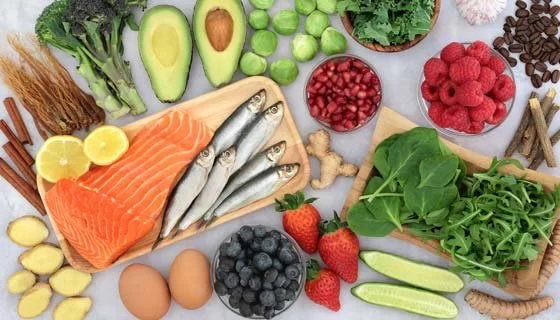
- Fatty Fish: Rich in omega-3 fatty acids, fatty fish like salmon, mackerel, and sardines are known for their anti-inflammatory properties and are heart-healthy choices that help reduce blood pressure and lower triglyceride levels.
- Fruits and Vegetables: Especially berries, leafy greens, and cruciferous vegetables like broccoli, are high in antioxidants that help combat oxidative stress and inflammation.
- Nuts and Seeds: Walnuts, almonds, and chia seeds are packed with healthy fats and fiber, which contribute to reducing inflammation and improving cardiovascular health.
- Whole Grains: Oats, quinoa, and brown rice are excellent sources of fiber, which not only help lower cholesterol but also support digestive health and reduce inflammation.
- Olive Oil: Rich in monounsaturated fats, olive oil is a cornerstone of the Mediterranean diet and plays a vital role in reducing inflammation and promoting heart health.
Incorporating these foods regularly into your meals can help you maintain a healthy weight, reduce your risk of chronic diseases, and boost your heart health over time.
4 - Foods to Avoid for Better Heart Health
While incorporating anti-inflammatory foods is essential, it's equally important to avoid foods that contribute to chronic inflammation and heart disease. Here are some foods to minimize or eliminate from your diet:
- Processed Foods: Foods high in refined sugars, unhealthy fats, and preservatives, such as sugary snacks, fast food, and packaged meals, promote inflammation and contribute to weight gain, high blood pressure, and heart disease.
- Trans Fats: Found in many baked goods, fried foods, and margarine, trans fats are highly inflammatory and should be avoided in favor of healthy fats like those found in avocados and olive oil.
- Red and Processed Meats: These meats are high in saturated fats and can contribute to inflammation, as well as raise levels of LDL (bad) cholesterol, which is harmful to heart health.
- Refined Carbohydrates: White bread, pasta, and other refined grains can spike blood sugar and increase inflammation, so it's best to replace them with whole grains.
By reducing or eliminating these inflammatory foods, you can significantly lower your risk of developing heart disease and other chronic conditions.
5 - Practical Tips for Building Your Anti-Inflammatory Diet
Creating an anti-inflammatory diet for heart health doesn’t have to be complicated. Here are some practical tips to help you get started:
- Start Small: You don’t need to make drastic changes all at once. Start by adding one or two anti-inflammatory foods to each meal and gradually eliminate processed or unhealthy foods from your diet.
- Plan Your Meals: Meal planning can help ensure you have all the ingredients you need for healthy, anti-inflammatory meals. Focus on batch cooking and preparing nutrient-dense meals in advance.
- Eat a Rainbow: Ensure your plate is filled with a variety of colorful fruits and vegetables. The more vibrant your food, the more likely it is to be packed with antioxidants and nutrients that fight inflammation.
- Be Consistent: Consistency is key. It’s important to make anti-inflammatory eating a regular habit rather than a short-term solution. Over time, this will lead to lasting benefits for heart health.
With these simple strategies, you can build an anti-inflammatory diet that supports your heart health and improves your overall well-being.
If you're looking for heart-healthy products, services, or recommendations, visit HeartCare Hub for tailored solutions to support your cardiovascular health and well-being!