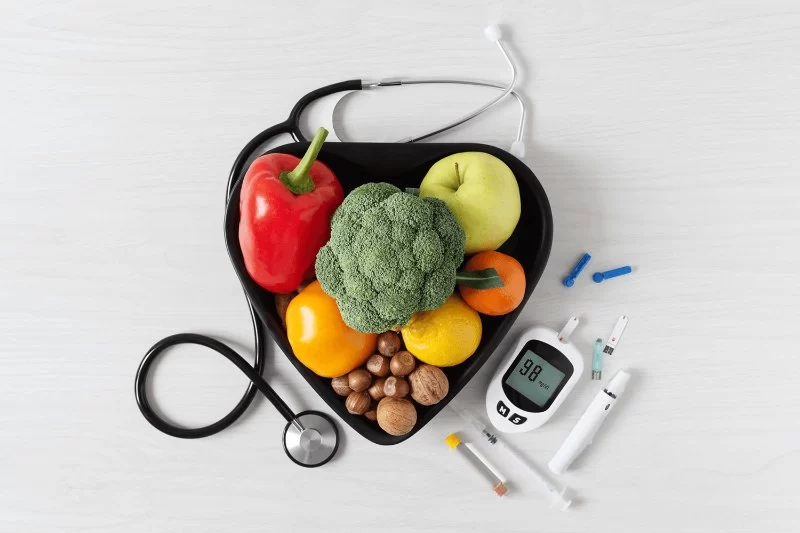
A poor diet is one of the leading causes of heart disease, affecting millions of people worldwide. Consuming a diet high in unhealthy fats, processed foods, and sugars can raise cholesterol levels, increase blood pressure, and contribute to weight gain—all of which are risk factors for heart disease. In this article, we'll explore the connection between diet and heart disease, focusing on how poor dietary choices can harm your heart and what you can do to protect it.
- The Impact of Poor Diet on Heart Health
- Unhealthy Foods That Contribute to Heart Disease
- Healthy Eating Habits for Heart Protection
- Case Study: How Diet Affects Heart Disease Risk
- Practical Tips for Improving Your Diet and Heart Health
1. The Impact of Poor Diet on Heart Health
When you eat foods that are high in saturated fats, refined sugars, and sodium, it can lead to an increase in "bad" LDL cholesterol and a decrease in "good" HDL cholesterol. This imbalance can cause plaque to build up in the arteries, restricting blood flow and increasing the risk of heart disease and stroke. Poor diet can also lead to obesity, diabetes, and high blood pressure, all of which are major risk factors for cardiovascular diseases.

2. Unhealthy Foods That Contribute to Heart Disease
Several foods can negatively affect your heart health, including:
- Trans Fats: Found in many processed and packaged foods, trans fats raise LDL cholesterol and lower HDL cholesterol, increasing the risk of heart disease.
- Saturated Fats: High amounts of saturated fats, found in fatty meats, full-fat dairy, and some oils, can contribute to elevated cholesterol levels.
- Refined Carbohydrates: Foods like white bread, pastries, and sugary snacks can cause blood sugar spikes and promote inflammation in the body, increasing the risk of heart disease.
- Sodium: Excessive salt intake, often found in processed foods, can raise blood pressure, a key factor in heart disease.
3. Healthy Eating Habits for Heart Protection
To protect your heart, it’s important to adopt a diet that supports cardiovascular health. Focus on the following:
- Increase Fiber: Foods like fruits, vegetables, whole grains, and legumes are rich in fiber, which helps lower cholesterol and improve heart health.
- Choose Healthy Fats: Opt for unsaturated fats from sources like olive oil, nuts, and fatty fish, which can help lower LDL cholesterol and reduce inflammation.
- Reduce Processed Foods: Minimize your intake of processed foods, which are often high in unhealthy fats, sodium, and added sugars.
- Limit Sugar Intake: Cutting back on sugary drinks and snacks can help reduce blood sugar spikes and prevent weight gain, both of which are linked to heart disease.
4. Case Study: How Diet Affects Heart Disease Risk
Take the case of John, a 55-year-old man diagnosed with high cholesterol and high blood pressure. After years of eating a diet rich in fast food, sugary drinks, and processed snacks, John’s doctors advised him to adopt a heart-healthy diet. By cutting back on unhealthy fats, increasing his intake of fruits, vegetables, and whole grains, and exercising regularly, John was able to lower his cholesterol and blood pressure, significantly reducing his risk of heart disease.
Capital Health Medical Center – Hopewell
capital health medical center hopewell
1 Capital Way, Pennington, NJ 08534, USA

5. Practical Tips for Improving Your Diet and Heart Health
Making small, manageable changes to your diet can have a big impact on your heart health. Here are some practical tips to help you get started:
- Start by reducing your intake of processed foods and replacing them with whole, fresh foods.
- Incorporate heart-healthy foods like leafy greens, berries, nuts, and fatty fish into your meals.
- Cook more at home to have control over the ingredients in your food.
- Stay hydrated by drinking plenty of water and limiting sugary beverages.

















Deborah Heart and Lung Center
deborah heart and lung center
200 Trenton Rd, Browns Mills, NJ 08015, USA