- What is High Cholesterol?
- Understanding Genetic Factors in Cholesterol Levels
- Types of Genetic High Cholesterol
- The Impact of Family History on Cholesterol
- How to Manage Genetic Cholesterol Levels
- Getting Help from HeartCare Hub
1. What is High Cholesterol?
High cholesterol is a condition where you have too much cholesterol in your blood, which can lead to serious health issues, including heart disease and stroke. Cholesterol is a fatty substance found in your blood that is necessary for building cells. However, when levels of cholesterol become too high, it can build up on the walls of your arteries, leading to a narrowing and blockage of the arteries, a condition called atherosclerosis.
There are two types of cholesterol to be aware of: low-density lipoprotein (LDL), often referred to as “bad” cholesterol, and high-density lipoprotein (HDL), known as “good” cholesterol. LDL can build up in your arteries, while HDL helps remove cholesterol from your blood. Having too much LDL and not enough HDL can increase your risk of heart disease.
2. Understanding Genetic Factors in Cholesterol Levels
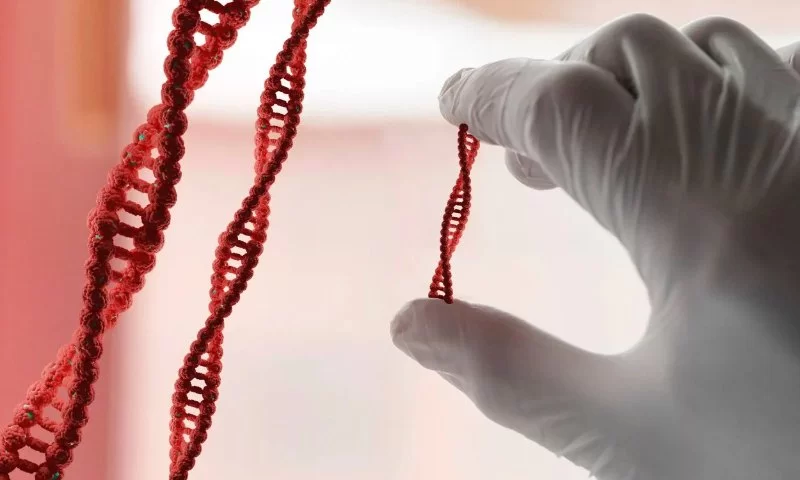
Cholesterol levels can be influenced by a number of factors, including diet, lifestyle, and exercise. However, genetics also play a significant role in determining your cholesterol levels. Genetic high cholesterol occurs when your body produces too much cholesterol due to inherited genes. This type of high cholesterol is often present from an early age and can increase the risk of cardiovascular diseases.
If high cholesterol runs in your family, it’s possible that you’ve inherited genes that predispose you to higher levels of cholesterol. This means that even if you follow a healthy diet and exercise regularly, you might still experience higher cholesterol levels than someone without a family history of the condition.
3. Types of Genetic High Cholesterol
There are two main types of genetic high cholesterol: familial hypercholesterolemia (FH) and familial combined hyperlipidemia (FCHL). These conditions are caused by mutations in genes that regulate cholesterol production or clearance in the body.
3.1 Familial Hypercholesterolemia (FH)
Familial hypercholesterolemia (FH) is a genetic disorder that causes extremely high levels of LDL cholesterol in the blood. People with FH have a genetic mutation that impairs the liver’s ability to remove LDL cholesterol from the bloodstream. This condition can lead to early cardiovascular disease if not treated effectively. FH is inherited in an autosomal dominant manner, meaning that one copy of the mutated gene from either parent can cause the condition.
3.2 Familial Combined Hyperlipidemia (FCHL)
Familial combined hyperlipidemia (FCHL) is another genetic disorder that leads to high cholesterol levels. Unlike FH, FCHL causes elevated levels of both LDL cholesterol and triglycerides. It is also linked to an increased risk of heart disease. FCHL tends to run in families, and people with this condition often experience high cholesterol levels early in life.
4. The Impact of Family History on Cholesterol
Family history plays a significant role in determining your cholesterol levels. If one or both of your parents had high cholesterol, you might be more likely to develop it as well. In fact, a family history of heart disease or stroke often indicates a genetic predisposition to high cholesterol. It’s important to talk to your doctor if you have a family history of high cholesterol, as they may recommend earlier screening and more frequent monitoring of your cholesterol levels.
Genetics can’t be changed, but knowing your family’s health history can help you take preventative measures. Early detection and treatment can reduce the risk of complications related to high cholesterol, such as heart attacks and strokes.
5. How to Manage Genetic Cholesterol Levels
Managing genetic cholesterol levels requires a combination of lifestyle changes and, in some cases, medications. While genetics can predispose you to high cholesterol, a healthy lifestyle can help mitigate its effects.
5.1 Diet and Exercise
Even if you have a genetic predisposition to high cholesterol, adopting a healthy diet and regular exercise can make a significant difference. A heart-healthy diet includes plenty of fruits, vegetables, whole grains, and lean proteins. Reducing your intake of saturated fats, trans fats, and cholesterol-rich foods can help lower your LDL cholesterol.
Regular physical activity, such as walking, jogging, or swimming, can increase your HDL cholesterol (the "good" cholesterol) and lower LDL cholesterol. Aim for at least 30 minutes of moderate-intensity exercise most days of the week.
5.2 Medications
For individuals with genetically high cholesterol, lifestyle changes alone may not be enough. Medications, such as statins, are often prescribed to help manage cholesterol levels. Statins work by blocking the enzyme in the liver responsible for producing cholesterol, helping to lower LDL levels and reduce the risk of cardiovascular disease.
6. Getting Help from HeartCare Hub
If you have a family history of high cholesterol or are concerned about your cholesterol levels, it’s important to seek professional guidance. At HeartCare Hub, we offer expert advice, treatment options, and support for individuals managing high cholesterol. Our team of healthcare professionals can help you understand your condition and develop a personalized plan for managing your cholesterol effectively.
Whether you need help with diet and exercise, or if you’re considering medication options, we’re here to guide you every step of the way. Visit HeartCare Hub for more information on how we can assist you in managing your cholesterol and protecting your heart health.