
- 1-why-heart-health-tracking-has-become-essential-#why-heart-health-tracking-has-become-essential
- 2-how-wearable-devices-monitor-heart-health-#how-wearable-devices-monitor-heart-health
- 3-key-features-to-look-for-in-heart-health-wearables-#key-features-to-look-for-in-heart-health-wearables
- 4-best-types-of-wearable-devices-for-heart-health-tracking-#best-types-of-wearable-devices-for-heart-health-tracking
- 5-real-life-stories-where-wearables-made-a-difference-#real-life-stories-where-wearables-made-a-difference
- 6-choosing-the-right-device-for-your-lifestyle-#choosing-the-right-device-for-your-lifestyle
- 7-how-wearable-data-can-support-long-term-heart-care-#how-wearable-data-can-support-long-term-heart-care
Why Heart Health Tracking Has Become Essential
A few years ago, I thought heart health was something you only worried about after a doctor gave you a reason to. That changed when someone close to me discovered an irregular heartbeat through a smartwatch alert. There were no obvious symptoms, no pain, no warning signs—just data quietly pointing out something wasn’t right.
That experience made me realize why wearable technology has become such a powerful tool. Heart issues don’t always announce themselves dramatically. Often, they develop quietly, and consistent monitoring can reveal patterns that occasional checkups miss.
Wearable devices give everyday people access to insights that once required clinical equipment. When used responsibly, they help turn heart health into something proactive instead of reactive.

How Wearable Devices Monitor Heart Health
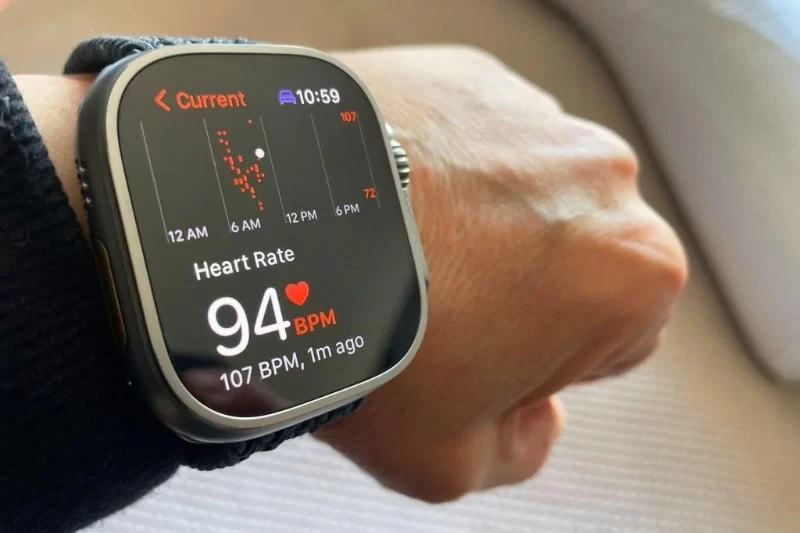
At their core, heart health wearables rely on sensors that collect data continuously throughout the day. What impressed me most was how much information these small devices can gather without disrupting daily life.
Capital Health Medical Center – Hopewell
capital health medical center hopewell
1 Capital Way, Pennington, NJ 08534, USA

1. Optical Heart Rate Sensors
Most wearables use light-based sensors that detect blood flow through the skin. These sensors measure heart rate during rest, activity, and sleep, helping identify trends rather than single readings.
2. Electrical Heart Rhythm Monitoring
Some advanced devices include electrocardiogram-style measurements. These features allow users to capture short heart rhythm recordings, which can help detect irregular patterns when symptoms occur.
3. Activity and Recovery Tracking
Heart health is closely tied to movement, stress, and rest. Wearables track steps, exercise intensity, sleep quality, and recovery time, offering context that makes heart data more meaningful.
Key Features to Look for in Heart Health Wearables
Not all devices offer the same depth of heart monitoring. After comparing multiple options, I noticed certain features consistently matter more than others.
1. Continuous Heart Rate Monitoring
Devices that track heart rate around the clock provide a clearer picture than those that only record during workouts. Continuous data helps identify long-term patterns.
2. Heart Rate Variability Insights
Heart rate variability reflects how well the body adapts to stress and recovery. While often misunderstood, it can be a useful metric when interpreted over time rather than daily fluctuations.
3. Alerts for Irregular Activity
Some wearables notify users when heart rate spikes unexpectedly or drops unusually low. These alerts can prompt timely conversations with healthcare professionals.
4. Sleep and Stress Tracking
Poor sleep and chronic stress directly affect heart health. Devices that connect these factors help users understand how daily habits influence cardiovascular well-being.
Best Types of Wearable Devices for Heart Health Tracking
Rather than focusing on specific brand names, it’s often more helpful to understand the types of devices available and what they’re best suited for.
1. Smartwatches
Smartwatches offer the most comprehensive heart health features, combining heart rate, rhythm monitoring, fitness tracking, and notifications. They work well for people who want an all-in-one solution.
2. Fitness Bands
Fitness bands are lighter and more discreet. While they may lack advanced rhythm monitoring, they still provide valuable heart rate and activity insights for daily use.
3. Chest Straps and Specialized Sensors
These devices are often used by athletes or those seeking highly accurate heart rate data during exercise. While less convenient for all-day wear, they excel in precision.
4. Medical-Grade Wearables
Some wearables are designed specifically for clinical monitoring and may be prescribed or recommended by healthcare providers. These devices focus more on diagnostics than lifestyle tracking.
Real-Life Stories Where Wearables Made a Difference
I’ve spoken with people who dismissed smartwatch alerts as glitches—until a doctor confirmed an underlying issue. In one case, a runner noticed consistent nighttime heart rate spikes that led to early detection of a condition requiring treatment.
Another individual used long-term heart data to adjust training intensity, avoiding burnout and improving overall recovery. These stories highlight that wearable devices don’t diagnose conditions, but they do empower informed decisions.
Choosing the Right Device for Your Lifestyle
The best wearable device for tracking heart health is the one you’ll actually wear. I learned that comfort, battery life, and usability matter just as much as features.
1. Daily Comfort and Fit
A device that feels bulky or irritating won’t stay on your wrist long enough to collect useful data. Comfort directly affects consistency.
2. Battery Life and Charging Habits
Frequent charging can interrupt data tracking. Devices with longer battery life support uninterrupted heart monitoring.
3. Data Presentation and Clarity
Clear, easy-to-understand data dashboards help users actually learn from their information instead of feeling overwhelmed.
4. Integration With Health Goals
Some people focus on fitness, others on stress management or early detection. Choosing a device aligned with your goals ensures the data stays relevant.
How Wearable Data Can Support Long-Term Heart Care
Wearable devices don’t replace doctors, but they do enhance conversations with healthcare providers. Long-term trends often tell a more complete story than isolated test results.
Many people use platforms like HeartCare Hub to better understand heart health data, explore lifestyle improvements, and stay informed about tools that support cardiovascular wellness.
The real value of the best wearable devices for tracking heart health lies in awareness. When people understand their own patterns, they’re more likely to make choices that protect their heart over time.

















Deborah Heart and Lung Center
deborah heart and lung center
200 Trenton Rd, Browns Mills, NJ 08015, USA