
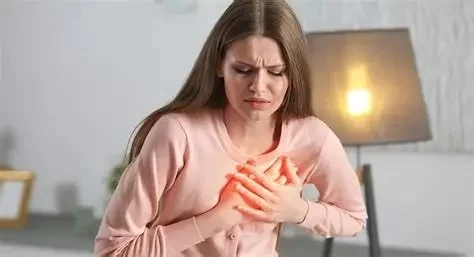
Why Chest Pain in Women Is More Likely to Be Misdiagnosed
1. Understanding the Unique Nature of Chest Pain in Women
Chest pain is one of the most common symptoms that prompt individuals to seek medical attention, but in women, it can often be more difficult to diagnose accurately. The symptoms of heart disease in women can be very different from those experienced by men, leading to an increased risk of misdiagnosis. In this article, we will explore why chest pain in women is more likely to be misdiagnosed and discuss the importance of awareness and accurate diagnosis.

2. Why Chest Pain in Women Differs from Men
Men and women both experience heart disease, but they may display different symptoms. Traditional wisdom and research have primarily been based on male-dominated studies, meaning that many healthcare providers may miss the subtle signs of heart disease in women. The pain associated with heart disease in women is often more generalized and can present as discomfort in areas other than the chest, such as the jaw, back, neck, or stomach. This variance leads to a higher likelihood that women’s chest pain may be attributed to less serious conditions.
Pramod Sanghi, MD - Cardiologist Parkchester Bronx
1888 westchester ave
1888 Westchester Ave Suite #4, Bronx, NY 10472, USA
3. Symptoms of Chest Pain in Women
Women can experience chest pain related to heart disease in a variety of ways. Some of the most common symptoms include:
- Shortness of breath – This may accompany chest pain or occur on its own, making it easy to overlook as a potential heart issue.
- Nausea or vomiting – While this is often linked to gastrointestinal issues, it can also be a sign of a heart attack in women.
- Back, jaw, or neck pain – These symptoms often present themselves instead of chest pain, making it difficult to identify the problem immediately.
- Fatigue – Feeling unusually tired or weak, even without exertion, can be a precursor to heart problems.
4. Why Misdiagnosis Happens
Several factors contribute to the higher rates of misdiagnosis of chest pain in women. One major reason is that healthcare providers are often more likely to attribute chest pain in women to non-cardiac causes. For example, women may be diagnosed with anxiety, gastrointestinal issues, or musculoskeletal pain instead of being referred for tests to rule out heart disease. Additionally, women are more likely to present with atypical symptoms, which do not fit the classic “heart attack” profile seen in men. These differences can lead to delays in diagnosis, which can worsen outcomes for women.
5. Case Studies: Real-Life Examples of Misdiagnosis
There are numerous real-life cases where women’s chest pain went undiagnosed or misdiagnosed. In one instance, a woman in her 40s complained of chest pain and fatigue, but her doctor attributed the symptoms to stress and prescribed anti-anxiety medication. It wasn’t until several weeks later, after a worsening of symptoms, that a cardiologist performed tests and discovered she had a blocked artery. This delay in diagnosis contributed to further heart damage that could have been prevented with earlier intervention.
6. How to Improve Diagnosis for Women
In order to improve the diagnosis of chest pain in women, it is essential for both healthcare providers and patients to be more aware of the differences in how heart disease manifests in women. Healthcare providers need to take women’s complaints seriously, conduct thorough evaluations, and consider the full spectrum of symptoms that might indicate heart disease. Women, on the other hand, should advocate for themselves and request further testing if they feel their symptoms are not being adequately addressed.
7. The Importance of Early Detection
Early detection of heart disease is crucial for preventing serious complications. If women are better educated about the signs and symptoms of heart disease, they may be more likely to seek medical help sooner. Additionally, women should be proactive in discussing their family medical history and lifestyle factors with their healthcare provider to help identify potential risks. Early intervention can lead to more effective treatment and better outcomes.
8. Conclusion: Empowering Women to Recognize the Signs of Heart Disease
Chest pain in women should never be dismissed, and it is essential for both healthcare providers and patients to recognize the unique ways that heart disease can manifest. With proper education, early diagnosis, and timely treatment, women can reduce the risk of heart disease and live healthier, longer lives. For more information on heart disease prevention and treatment, consider visiting【HeartCare Hub】for helpful resources.



















Chester County Cardiology Association
chester county cardiology
142 Wallace Ave Suite 109, Downingtown, PA 19335, USA