
Understanding How Obstructive Sleep Apnea Contributes to High Blood Pressure and Heart Strain
Obstructive sleep apnea (OSA) is a common condition that affects millions of people worldwide, often without them even realizing it. While many people associate OSA with poor sleep quality and daytime fatigue, the long-term effects on heart health are far more concerning. One of the most significant risks linked to obstructive sleep apnea is its contribution to high blood pressure and increased strain on the heart. In this article, we will explore how OSA contributes to these serious health issues and discuss effective management strategies.

The Link Between Obstructive Sleep Apnea and High Blood Pressure
1. What is Obstructive Sleep Apnea?
Obstructive sleep apnea occurs when the muscles in the throat relax and block the airway during sleep, causing breathing to stop temporarily. These pauses in breathing can last for a few seconds to a minute, occurring multiple times throughout the night. As a result, the oxygen levels in the blood drop, leading to a number of physiological changes in the body.
People with OSA often experience fragmented sleep, which leads to poor rest and various health complications, including high blood pressure (hypertension). The repeated episodes of oxygen deprivation trigger the body’s stress response, causing the release of hormones like adrenaline, which can raise blood pressure and increase the heart's workload.
Atlanta Heart Specialists
atlanta heart specialists
4375 Johns Creek Pkwy #350, Suwanee, GA 30024, USA

2. How Does OSA Contribute to High Blood Pressure?
The relationship between obstructive sleep apnea and high blood pressure is well-documented. The repeated episodes of breathing cessation during sleep cause intermittent drops in oxygen levels, a condition known as hypoxia. This hypoxia triggers the body to respond by constricting blood vessels, which leads to an increase in blood pressure. Over time, these repeated surges in blood pressure can contribute to sustained hypertension, increasing the risk of stroke, heart disease, and other cardiovascular issues.
In addition to hypoxia, the disrupted sleep caused by OSA activates the sympathetic nervous system, which controls the body’s "fight or flight" response. This leads to an increased heart rate and further elevation of blood pressure, contributing to a vicious cycle that worsens over time.
3. The Risk of Developing Hypertension
Numerous studies have shown that individuals with untreated obstructive sleep apnea are more likely to develop hypertension. In fact, people with moderate to severe OSA are at a significantly higher risk of developing high blood pressure compared to those without the condition. One study found that nearly half of people with sleep apnea also had high blood pressure, and in many cases, their hypertension was difficult to manage without treating the sleep apnea.
For those already suffering from hypertension, the presence of OSA can make controlling blood pressure even more challenging. This is why it’s crucial for people with high blood pressure to be tested for sleep apnea and treated if necessary.
How Obstructive Sleep Apnea Strains the Heart
1. Increased Workload on the Heart
Over time, the constant fluctuation in oxygen levels and blood pressure caused by obstructive sleep apnea places significant strain on the heart. When the body experiences episodes of low oxygen levels during sleep, the heart has to work harder to pump oxygenated blood to vital organs. This increased workload can lead to structural changes in the heart, particularly the left ventricle, which may enlarge in response to the added stress.
The continuous high blood pressure that often accompanies sleep apnea further exacerbates this strain, as the heart must work harder to pump blood against the increased resistance in the arteries. This puts individuals with sleep apnea at a higher risk of developing heart failure, arrhythmias (irregular heartbeats), and other cardiovascular complications.
2. Increased Risk of Heart Disease
The long-term effects of obstructive sleep apnea on the heart can be severe. Chronic hypertension, coupled with the strain on the heart, increases the risk of developing heart disease, including coronary artery disease, heart attacks, and heart failure. Studies have shown that individuals with untreated sleep apnea are more likely to suffer from these conditions, as the repeated episodes of oxygen deprivation and high blood pressure can lead to long-term damage to the cardiovascular system.
In addition to the physical strain on the heart, sleep apnea is also associated with increased inflammation in the body, which can further damage the heart and blood vessels. Inflammation is a key contributor to the development of atherosclerosis, a condition where plaque builds up in the arteries, narrowing them and increasing the risk of heart attacks and strokes.
3. A Dangerous Cycle: Sleep Apnea, Blood Pressure, and Heart Strain
One of the most dangerous aspects of obstructive sleep apnea is its ability to create a vicious cycle of cardiovascular strain. As OSA contributes to high blood pressure and heart strain, the heart becomes less efficient, making it even harder to manage blood pressure. This, in turn, leads to more frequent episodes of sleep apnea, worsening both conditions. It becomes a self-perpetuating problem that requires timely diagnosis and intervention to prevent serious complications.
Managing Obstructive Sleep Apnea and Reducing Heart Strain
1. Treatment Options for Obstructive Sleep Apnea
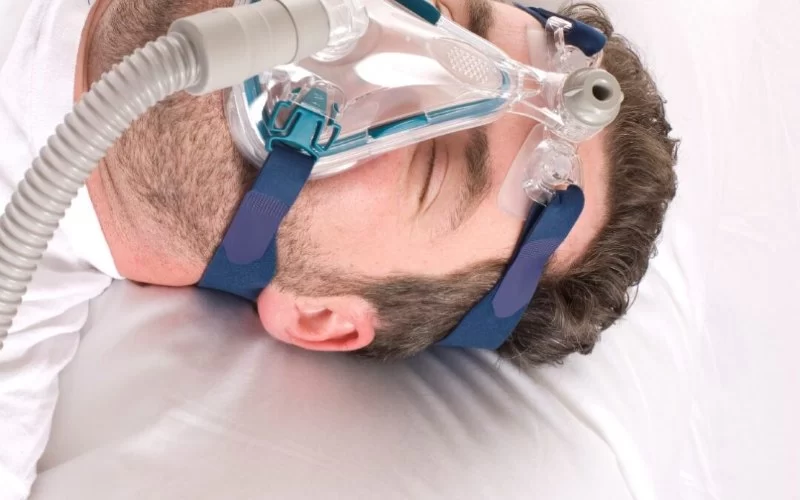
The good news is that there are effective treatments available for managing obstructive sleep apnea and reducing its impact on blood pressure and heart health. The most common and effective treatment for OSA is continuous positive airway pressure (CPAP) therapy. A CPAP machine uses a mask to deliver a constant flow of air into the airways, preventing them from collapsing during sleep and allowing for uninterrupted breathing.
Other treatment options include lifestyle changes, such as weight loss, avoiding alcohol and sedatives, and sleeping on your side. In some cases, surgery may be necessary to remove obstructions from the airways or correct structural issues contributing to sleep apnea.
2. Monitoring Blood Pressure and Heart Health
For individuals with both OSA and high blood pressure, it's essential to regularly monitor blood pressure and heart health. Your healthcare provider may recommend medications to help control blood pressure, and they will work with you to develop a comprehensive treatment plan for managing both conditions.
3. The Importance of Early Diagnosis
Early diagnosis and treatment of obstructive sleep apnea are crucial for preventing the long-term effects on blood pressure and heart health. If you suspect you have sleep apnea, it's important to seek medical advice and undergo testing. Treating sleep apnea early can help reduce the strain on your heart, lower your blood pressure, and improve your overall quality of life.
Get Expert Advice from HeartCare Hub
If you're concerned about the effects of obstructive sleep apnea on your heart and blood pressure, it’s essential to seek professional guidance. At HeartCare Hub, we offer personalized advice and treatment options to help you manage your cardiovascular health and prevent complications from sleep apnea. Our team of specialists is here to help you take control of your health and live a heart-healthy life.




















Deborah Heart and Lung Center
deborah heart and lung center
200 Trenton Rd, Browns Mills, NJ 08015, USA