
- difference-between-good-and-bad-fats-for-heart-health
- how-fats-affect-cardiovascular-system
- best-fats-for-heart-health-and-cholesterol
- impact-of-trans-fats-vs-unsaturated-fats
- choosing-heart-healthy-fats-in-your-diet
- real-world-examples-healthy-fat-foods
Understanding “Good” and “Bad” Fats
When it comes to heart health, understanding the difference between "good" and "bad" fats is essential for maintaining cardiovascular well-being. While fats have gotten a bad reputation in the past, not all fats are created equal. In fact, some fats are actually crucial for your heart and overall health, while others can contribute to heart disease if consumed in excess. In this article, we’ll explore how fats affect your cardiovascular system, which fats are beneficial, and which fats should be limited or avoided.

1. How Fats Affect the Cardiovascular System
The body needs fats to function properly. They are a source of energy, aid in the absorption of certain vitamins, and help to protect organs. However, not all fats have the same effect on your cardiovascular system. Fats can either raise or lower your cholesterol levels, which can influence the risk of developing heart disease. Let's break down the key types of fats that impact cardiovascular health:
Northside Hospital Cardiovascular Institute - Sandy Springs, Barfield
northside cardiovascular institute
6135 Barfield Rd Suite 100, Sandy Springs, GA 30328, USA

1.1 Good Fats: Unsaturated Fats
Unsaturated fats are considered the "good" fats and are known to improve heart health when consumed in moderation. They can help lower levels of LDL (low-density lipoprotein) or "bad" cholesterol, which reduces the risk of heart disease. Unsaturated fats come in two forms:
1.1.1 Monounsaturated Fats
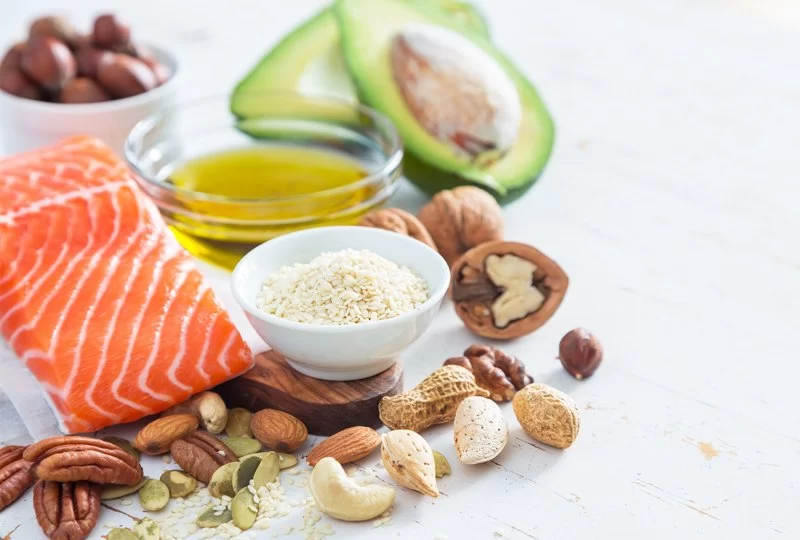
Monounsaturated fats are found in foods like olive oil, avocados, and certain nuts (like almonds and cashews). These fats are not only heart-healthy but also anti-inflammatory, which can help reduce the risk of heart attacks and strokes.
1.1.2 Polyunsaturated Fats
Polyunsaturated fats are found in fatty fish (like salmon and mackerel), flaxseeds, walnuts, and vegetable oils (such as sunflower and corn oils). These fats contain omega-3 fatty acids, which have been shown to reduce inflammation, lower triglyceride levels, and decrease blood clotting.
1.2 Bad Fats: Saturated and Trans Fats
While good fats contribute positively to cardiovascular health, bad fats, such as saturated fats and trans fats, have a negative impact. They can increase LDL cholesterol, leading to plaque buildup in the arteries, which can result in heart disease over time. Let’s take a closer look at these harmful fats:
1.2.1 Saturated Fats
Saturated fats are found in animal products like red meat, butter, cheese, and other dairy products. They are also present in some plant-based oils, such as coconut and palm oils. Studies show that consuming high amounts of saturated fat raises LDL cholesterol, which can contribute to the development of heart disease.
1.2.2 Trans Fats
Trans fats are artificially created fats found in processed foods like baked goods, snacks, and fried foods. These fats are particularly dangerous as they not only raise LDL cholesterol but also lower HDL (high-density lipoprotein), which is the "good" cholesterol that helps clear fatty deposits from the arteries. The consumption of trans fats should be avoided as much as possible for heart health.
2. Best Fats for Heart Health and Cholesterol
When choosing fats to include in your diet, focus on unsaturated fats while limiting saturated and trans fats. Here are some heart-healthy options to include in your meals:
2.1 Foods High in Monounsaturated and Polyunsaturated Fats
Incorporate more of these foods into your diet to improve your heart health:
- Avocados: Rich in monounsaturated fats, avocados can help lower bad cholesterol levels.
- Fatty Fish: Salmon, mackerel, and sardines are high in omega-3 fatty acids, which can reduce inflammation and improve heart health.
- Olive Oil: Use olive oil in cooking or as a salad dressing to add heart-healthy fats to your diet.
- Nuts and Seeds: Almonds, walnuts, flaxseeds, and chia seeds are excellent sources of healthy fats that also provide fiber and antioxidants.
2.2 Foods to Limit or Avoid
Avoid or limit foods that are high in saturated and trans fats to reduce your risk of cardiovascular disease:
- Red Meat: Choose lean cuts of meat, and limit processed meats such as sausages and bacon.
- Full-Fat Dairy: Opt for low-fat or fat-free dairy products to reduce your intake of saturated fats.
- Processed and Packaged Foods: Avoid fast food, baked goods, and snacks that often contain unhealthy trans fats.
3. The Impact of Trans Fats vs Unsaturated Fats
Understanding the differences between trans fats and unsaturated fats is key to making healthy dietary choices. Trans fats contribute to heart disease by increasing LDL cholesterol and decreasing HDL cholesterol. In contrast, unsaturated fats improve cholesterol levels, reduce inflammation, and help prevent the buildup of plaque in the arteries. Choosing unsaturated fats over trans fats can significantly reduce your risk of cardiovascular disease.
4. Real-World Examples: How Heart-Healthy Fats Improve Lives
Consider the story of a patient who made small adjustments to their diet by swapping butter for olive oil and incorporating more fish into their meals. After a few months, their cholesterol levels improved, and their doctor noticed a marked reduction in inflammation, leading to better overall heart health. Such simple dietary changes are often all it takes to make a big difference in your cardiovascular system.
At HeartCare Hub, we offer expert advice on choosing the best heart-healthy fats for your lifestyle, as well as services that support a balanced approach to cardiovascular health.


















CardioVascular Group Lawrenceville
cardiovascular group
2200 Medical Center Blvd ste 400, Lawrenceville, GA 30046, USA