
- #why-choosing-the-right-cooking-oils-matters
- #what-makes-an-oil-heart-healthy
- #the-best-heart-healthy-oils-for-everyday-cooking
- #matching-oils-with-cooking-methods
- #real-life-kitchen-experiences-and-practical-tips
Why Choosing the Right Cooking Oils Matters
Cooking oils are part of everyday life, yet many people don’t realize how much impact they can have on long-term heart health. The best heart-healthy oils for cooking do more than add flavor — they influence cholesterol levels, inflammation, and overall cardiovascular wellness.
For many American households, switching oils is one of the simplest dietary changes with meaningful benefits. Small adjustments in the kitchen often lead to better blood lipid profiles and improved confidence about daily food choices.

What Makes an Oil Heart-Healthy
Not all fats are created equal. Heart-healthy oils tend to be rich in unsaturated fats, especially monounsaturated and polyunsaturated fats. These fats support healthy cholesterol balance when used in place of saturated fats.
Atlanta Heart Specialists
atlanta heart specialists
4375 Johns Creek Pkwy #350, Suwanee, GA 30024, USA

1. Fat composition and balance
Oils high in monounsaturated fats help reduce LDL cholesterol while maintaining HDL cholesterol. Polyunsaturated fats, including omega-3 and omega-6 fatty acids, play a role in reducing inflammation when consumed in appropriate ratios.
2. Stability and smoke point
The best heart-healthy oils for cooking also remain stable under heat. Oils that break down easily at high temperatures can form compounds that undermine their health benefits, which is why cooking method matters.
The Best Heart-Healthy Oils for Everyday Cooking
Choosing the right oil often depends on how you cook and what flavors you enjoy. Below are some of the most widely recommended options for heart-conscious kitchens.
1. Extra virgin olive oil
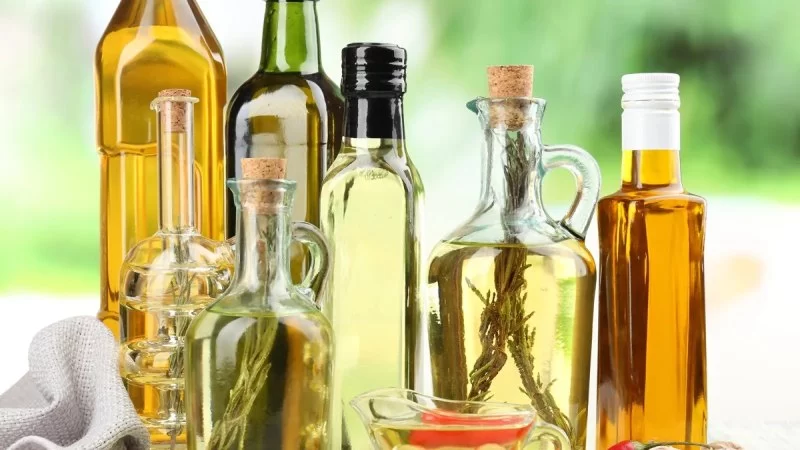
Extra virgin olive oil is often considered the gold standard. Rich in monounsaturated fats and antioxidants, it has strong research backing its heart-protective effects. Many families use it for sautéing, salad dressings, and light roasting.
2. Avocado oil
Avocado oil offers a mild flavor and a high smoke point, making it ideal for higher-heat cooking. Its fat profile closely resembles olive oil, making it another strong contender among the best heart-healthy oils for cooking.
3. Canola oil
Canola oil is widely available and budget-friendly. It contains a good balance of omega-3 and omega-6 fatty acids and works well for baking, pan-frying, and everyday meals.
4. Walnut oil for cold use
Walnut oil is rich in omega-3 fatty acids but is best used without heat. Many people enjoy it in dressings or drizzled over cooked vegetables for added nutritional value.
Matching Oils With Cooking Methods
Even the best heart-healthy oils for cooking work best when paired with the right technique. Using olive oil for low to medium heat and avocado oil for grilling or stir-frying helps preserve both flavor and nutritional benefits.
Rotating oils based on meals prevents overreliance on one type of fat and supports a more balanced diet overall.
Real-Life Kitchen Experiences and Practical Tips
One common story shared by patients focusing on heart health is how changing cooking oils improved both confidence and consistency. A home cook from the Midwest shared that switching from butter-heavy cooking to olive and avocado oils made meals feel lighter without sacrificing taste.
Many people discover these small yet powerful changes through resources like HeartCare Hub, where practical guidance helps bridge the gap between nutrition advice and real-life cooking habits.
By understanding the best heart-healthy oils for cooking and using them intentionally, everyday meals can become an important step toward long-term cardiovascular wellness.



















Deborah Heart and Lung Center
deborah heart and lung center
200 Trenton Rd, Browns Mills, NJ 08015, USA