
- understanding-different-heart-attack-pain-locations
- why-women-feel-heart-attack-pain-differently
- uncommon-heart-attack-symptoms-in-women
- real-life-stories-of-women-and-heart-attack-symptoms
- how-to-spot-heart-attack-signs-in-women
- what-to-do-if-you-suspect-a-heart-attack
- improving-heart-health-through-prevention
- taking-care-of-your-heart-with-expert-advice
Understanding Different Heart Attack Pain Locations in Women
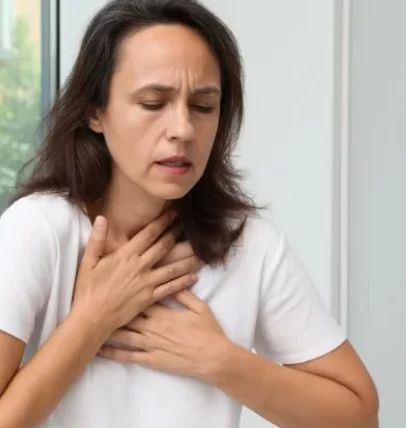
Heart attacks in women are often misunderstood because they don’t always present with the classic symptoms of chest pain radiating to the left arm. Women may feel pain in different areas, such as their back, jaw, stomach, or even their upper abdomen. This difference in pain location can delay the diagnosis and treatment, as many women are unaware of the subtle signs of a heart attack.
1. Why Women Feel Heart Attack Pain Differently
Studies show that heart attacks in women often present with less conventional symptoms compared to men. While men tend to experience sharp chest pain, women are more likely to feel pain in areas that might not immediately suggest a heart attack. This can include:
- Upper back or shoulder pain
- Pain in the neck or jaw
- Stomach discomfort or indigestion
- Fatigue and lightheadedness
These symptoms may seem unrelated to the heart, making it more difficult for women to recognize the signs early on. The pain can also be less intense than what men typically feel, which is why many women ignore the warning signs or misinterpret them as something less serious.
Atlanta Heart Specialists
atlanta heart specialists
4375 Johns Creek Pkwy #350, Suwanee, GA 30024, USA

2. Uncommon Heart Attack Symptoms in Women
In addition to pain in unusual areas, women may also experience other symptoms during a heart attack, including:
- Shortness of breath or difficulty breathing
- Cold sweats and dizziness
- Nausea or vomiting
- Anxiety or a feeling of impending doom
These symptoms often make heart attacks in women appear more like a digestive issue, anxiety, or even the flu. This confusion can delay life-saving treatment. Recognizing these symptoms early is crucial for improving survival rates among women.
3. Real-Life Stories of Women and Heart Attack Symptoms
Many women don’t realize they are experiencing a heart attack until it’s too late. Take the story of Lisa, a 49-year-old woman who experienced severe stomach pain, nausea, and dizziness. She initially thought it was a case of indigestion, only to find out later that she had suffered a heart attack. After seeking medical help, Lisa was fortunate to receive timely care and is now advocating for women’s heart health awareness.
This scenario is not unique. Women often brush off subtle symptoms, thinking they are related to stress or a minor ailment. That’s why it’s important to always trust your instincts and seek medical help if you are unsure.
4. How to Spot Heart Attack Signs in Women
So, how can you recognize if you or a loved one is experiencing a heart attack? Pay close attention to these warning signs, particularly if they are accompanied by chest discomfort:
- Unusual fatigue that doesn’t go away
- Persistent shortness of breath
- Lightheadedness or fainting spells
- Pressure or tightness in the chest
- Pain in the back, neck, or jaw
If you or someone you know experiences these symptoms, especially in combination with one another, it’s essential to seek immediate medical attention. Don’t wait for pain to escalate—quick action can save lives.
5. What to Do If You Suspect a Heart Attack
If you believe you or someone else is having a heart attack, here’s what to do:
- Call 911 immediately. Do not drive yourself to the hospital.
- If the person is conscious and alert, have them chew aspirin (if not allergic) to help thin the blood.
- Stay calm and try to keep the person as comfortable as possible while awaiting medical help.
Prompt intervention is essential for survival and minimizing heart damage. Many heart attacks can be prevented or managed with early detection and the right treatment.
6. Improving Heart Health Through Prevention
Preventing a heart attack starts with taking care of your heart long before symptoms arise. Here are a few ways to protect your cardiovascular health:
- Eat a balanced, heart-healthy diet rich in fruits, vegetables, and whole grains.
- Exercise regularly—aim for at least 30 minutes of moderate activity most days.
- Maintain a healthy weight and avoid smoking.
- Monitor blood pressure, cholesterol, and glucose levels regularly.
- Reduce stress through relaxation techniques, meditation, or hobbies you enjoy.
By adopting a heart-healthy lifestyle, you can reduce the risk of heart attacks and improve overall wellness. If you are at high risk, consider consulting with your doctor for a tailored prevention plan.
7. Taking Care of Your Heart with Expert Advice
Heart health is critical, especially for women. At HeartCare Hub, we offer comprehensive resources and expert advice to help you understand your heart health better. Whether you are concerned about your risk factors or just want to ensure your heart is in top shape, we are here to guide you every step of the way. Remember, heart disease is preventable, and knowledge is power. Always seek professional help if you are experiencing heart-related symptoms, and stay proactive about your health.


















Deborah Heart and Lung Center
deborah heart and lung center
200 Trenton Rd, Browns Mills, NJ 08015, USA