1. The Hidden Reality of Heart Disease in Women
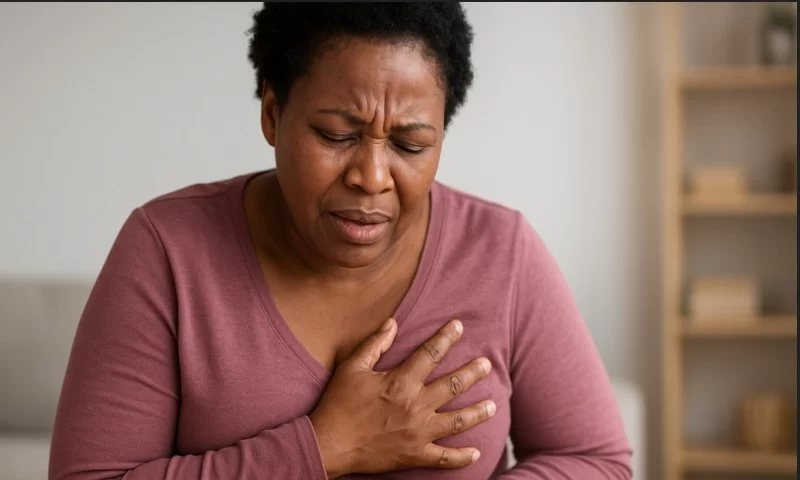
Heart disease is often considered a "man's issue," but the reality is that women are just as vulnerable to heart problems. Unfortunately, women’s symptoms often differ from those experienced by men, which can lead to misdiagnosis or delayed treatment. According to the American Heart Association, heart disease is the leading cause of death in women, but it often goes undetected until it's too late. Understanding the unique symptoms of heart problems in women is crucial for early diagnosis and effective treatment.
2. Why Are Women Misdiagnosed with Heart Problems?
Several factors contribute to why women are often misdiagnosed when it comes to heart disease:
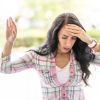
- Differences in Symptoms: Women may not experience the "classic" symptoms of heart disease, such as crushing chest pain. Instead, they may report symptoms like fatigue, nausea, and shortness of breath, which are often attributed to stress or other less serious conditions.
- Gender Bias in Healthcare: Historical biases in medical research have led to a focus on male-centric data, meaning that healthcare providers are often less aware of the subtle ways heart disease manifests in women.
- Underreporting of Symptoms: Women tend to underreport or dismiss their symptoms, either because they believe they are not significant or because they are afraid of being perceived as hypochondriacs.
These factors contribute to a situation where women are not getting the right diagnosis and treatment for heart disease, often leading to worsened outcomes.
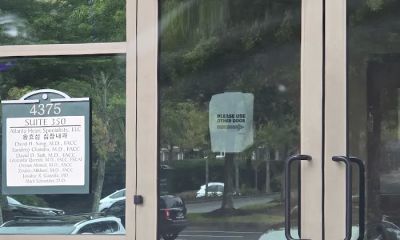
Atlanta Heart Specialists
atlanta heart specialists
4375 Johns Creek Pkwy #350, Suwanee, GA 30024, USA
3. Unique Symptoms of Heart Disease in Women
It’s essential to recognize that women’s heart disease symptoms can be more subtle and often overlap with other conditions. Some of the key signs to watch for include:
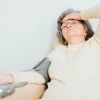
- Unusual Fatigue: Women often feel extremely tired, even after rest, which can be a sign of heart failure or other cardiac conditions.
- Shortness of Breath: Difficulty breathing, especially after minimal exertion, can be a red flag for heart problems.
- Chest Pain or Discomfort: While chest pain can be a symptom of heart problems in men, women may experience discomfort, tightness, or a sensation of pressure, which may not be as intense.
- Indigestion or Nausea: Women may experience heartburn, nausea, or vomiting during a heart attack, leading them to believe it's something less serious like food poisoning.
- Neck, Jaw, or Back Pain: Pain in the neck, jaw, or back is often overlooked as a symptom of heart disease, but it’s a common sign in women, especially during a heart attack.
If you experience any of these symptoms, it’s essential to seek medical attention immediately. Early detection can save lives.
4. Risk Factors for Heart Disease in Women
Certain factors increase the likelihood of heart disease in women. While some are common to both men and women, others are unique to women:
- Hormonal Changes: The decrease in estrogen after menopause can increase the risk of heart disease. Women who experience early menopause or undergo a hysterectomy may be at a higher risk.
- Pregnancy Complications: Women who have had complications during pregnancy, such as preeclampsia or gestational diabetes, may be at an increased risk of developing heart disease later in life.
- Diabetes: Women with diabetes are at a higher risk for heart disease compared to men with diabetes.
- Smoking and Obesity: Smoking and obesity are major risk factors for heart disease in both men and women, but they disproportionately affect women’s heart health.
Understanding these risk factors can help women take proactive steps toward managing their heart health.
5. Case Study: How One Woman’s Symptoms Were Overlooked
Take the case of Maria, a 45-year-old woman who started feeling unusually tired and had occasional chest discomfort. She attributed her symptoms to stress at work and her busy family life. It wasn’t until Maria experienced nausea and shortness of breath that she sought medical attention. After a series of tests, it was discovered that she had been experiencing a mild heart attack.
Maria’s story is all too common. Women often downplay or dismiss symptoms until they worsen. If Maria had recognized the signs earlier and sought help, she may have avoided a more serious situation. This highlights the importance of paying attention to your body and advocating for your health, especially if you're experiencing unusual symptoms.
6. How to Ensure Proper Diagnosis and Treatment
If you suspect that you may be experiencing heart problems, it’s important to take the following steps to ensure proper diagnosis and treatment:
- Advocate for Yourself: Don’t be afraid to speak up about your symptoms and ask for further testing if needed. Women often need to be more assertive with their healthcare providers to get the right diagnosis.
- Know Your Risk Factors: Make sure your healthcare provider is aware of any family history of heart disease, pregnancy complications, or lifestyle factors that may affect your heart health.
- Get Regular Check-ups: Regular check-ups with your doctor can help catch any early signs of heart disease. Make sure to keep track of any changes in your health and report them to your doctor.
Taking these steps can help you stay ahead of potential heart problems and get the right treatment early on.
7. Conclusion: Understanding and Preventing Heart Disease in Women
Heart disease is often overlooked in women due to a lack of awareness and understanding of the unique symptoms women experience. By recognizing the signs, knowing your risk factors, and seeking proper medical care, you can reduce the risk of heart disease and ensure that you’re getting the care you deserve.
If you’re concerned about your heart health, consider visiting HeartCare Hub for resources and services tailored to women’s heart health. Early diagnosis and proactive care are key to maintaining a healthy heart and leading a long, fulfilling life.





Deborah Heart and Lung Center
deborah heart and lung center
200 Trenton Rd, Browns Mills, NJ 08015, USA