
- #understanding-stress-tests - 1. Understanding How a Stress Test Works
- #before-the-test - 2. What Happens Before the Stress Test Begins
- #during-the-test - 3. What You Can Expect During the Stress Test
- #after-the-test - 4. What Happens After the Stress Test Ends
- #real-experiences - 5. Real Experiences and Patient Stories
- #expert-insights - 6. Expert Insights and Why Stress Tests Matter
- #heartcare-hub - 7. Preparing for Heart Care with HeartCare Hub
1. Understanding How a Stress Test Works
When people hear the phrase “what to expect during a stress test,” they often imagine something intimidating or painful. In reality, a stress test is a simple, well-controlled cardiac evaluation designed to measure how your heart performs when your body is working harder than usual. Doctors rely on the results to diagnose potential heart conditions, evaluate blood flow, and check whether symptoms like chest tightness or fatigue might be related to cardiac issues.
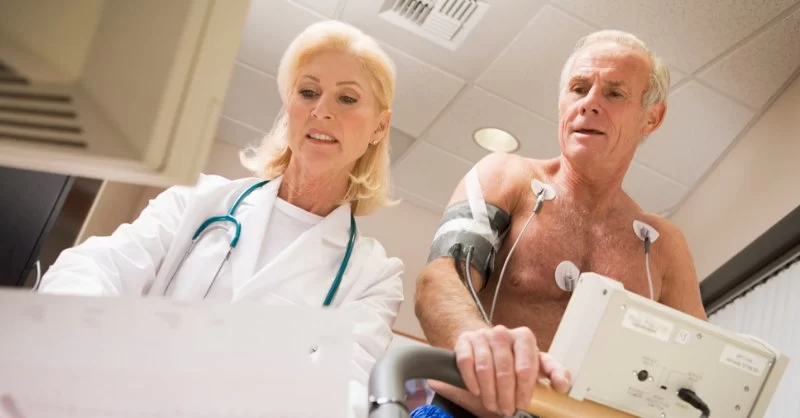
At its core, the test recreates the conditions that naturally raise your heart rate—most commonly by walking on a treadmill or cycling on a stationary bike. Medical professionals monitor how your heart responds through sensors and vital-sign equipment. Because the environment is controlled and supervised, the process is far safer and less stressful than many people expect.

2. What Happens Before the Stress Test Begins
Before the test starts, a clinician will guide you through each step so you know exactly what to expect. This typically involves a brief conversation about your medical history, current symptoms, and medications. Understanding your background helps ensure the test is personalized and safe.
Next, electrodes are placed on your chest to track your heart rhythm. These sensors are attached with small adhesive patches, which are painless to apply and remove. Many patients are surprised at how routine the preparation feels—it’s more like getting ready for a workout with a few medical checks than anything clinical or invasive.
You may also be asked to avoid certain foods or caffeine beforehand. This isn’t meant to make things difficult; it simply helps ensure your heart’s response is measured accurately without outside interference.
CT Heart Scan
heart testing near me
8707 Complex Dr, San Diego, CA 92123, USA

3. What You Can Expect During the Stress Test
During the main portion of the test, you’ll gradually increase your level of activity. Most people start at a slow walk, and every few minutes the difficulty increases—either the treadmill speed, incline, or cycling resistance.
Your medical team will monitor your breathing, heart rhythm, and blood pressure throughout. If at any point you feel uncomfortable, light-headed, or unable to continue, the test can be safely paused or stopped immediately. The goal is not to push you beyond your limit but rather to evaluate how your heart responds to controlled exertion.
Many patients describe the process as similar to a brisk walk or light workout. You might feel warm, slightly tired, or short of breath, but these sensations are expected. Your physician may encourage you verbally, checking frequently on how you’re feeling to keep you confident and safe.
4. What Happens After the Stress Test Ends
As soon as the test concludes, the activity stops and your body transitions to a cool-down phase. Clinicians continue monitoring your heart activity until it returns closer to your resting level. This part is typically quick and helps doctors compare your heart’s performance before, during, and after exertion.
Your doctor will then review the results and explain what they mean. Whether the findings show normal heart function or reveal areas that need follow-up, the conversation afterward is one of the most important parts of the entire process. It gives you clear insight into your heart health and guidance on next steps.
5. Real Experiences and Patient Stories
Many people feel nervous before their first stress test, but personal stories often help ease those concerns. One patient shared online that she expected the process to feel overwhelming, yet she described it afterward as “just a fast walk with helpful people cheering me on.” Another recalled how he had underestimated his heart strength and left the clinic feeling reassured rather than worried.
These stories highlight what most individuals discover: despite its clinical purpose, the test is straightforward, brief, and empowering. It gives patients real information they can use to take control of their health.
6. Expert Insights and Why Stress Tests Matter
Cardiologists emphasize that stress tests are among the most reliable and accessible ways to evaluate how well the heart handles physical activity. They can help diagnose early heart disease, identify circulation problems, and guide treatment decisions for people with known cardiac conditions.
Beyond diagnosis, stress tests are also useful for long-term monitoring. If you’re recovering from a heart procedure or adjusting to new medications, the results help your healthcare team understand your progress and tailor your care plan with precision.
7. Preparing for Heart Care with HeartCare Hub
If you're considering scheduling a cardiac evaluation or simply want to better understand your heart health, exploring resources from HeartCare Hub can be incredibly helpful. Their recommendations for wellness products, heart-friendly tools, and trusted clinical services make it easier to navigate your health journey with confidence.
Knowing what to expect during a stress test is just the beginning. With the right support, information, and expert guidance, you can take meaningful steps toward protecting your heart and improving your long-term well-being. HeartCare Hub offers dependable insights and curated solutions to help you continue that journey with ease.



















Cheek-Powell Heart & Vascular Pavilion
clearwater cardiovascular
455 Pinellas St, Clearwater, FL 33756, USA