
- 1-Introduction to Heart-Healthy Spices
- 2-Spices That Promote Heart Health
- 3-How Spices Affect Heart Health: The Science Behind It
- 4-Incorporating Heart-Healthy Spices into Your Diet
- 5-The Role of Diet and Lifestyle in Heart Health
1-Introduction to Heart-Healthy Spices
Heart health is an essential part of overall well-being, and many people are seeking natural ways to support their cardiovascular system. While exercise and medications are often highlighted as the go-to solutions for heart health, certain foods—particularly spices—can have a significant impact as well. Adding heart-healthy spices to your diet is a natural way to improve heart function and reduce the risk of heart disease.
This article delves into the science behind heart-healthy spices, showcasing how specific spices can help lower cholesterol, reduce inflammation, and even improve blood circulation. By understanding the benefits of these spices, you can make more informed decisions about your diet and lifestyle to promote heart health.

2-Spices That Promote Heart Health
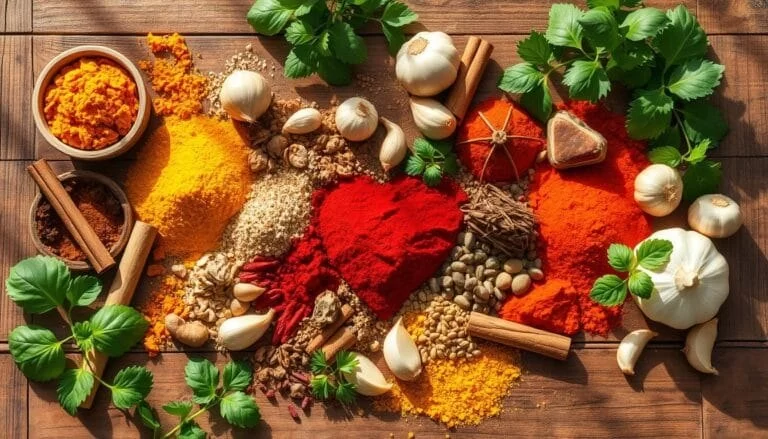
There are a variety of spices that have been shown to benefit heart health. These spices not only enhance the flavor of your food but also contain compounds that support cardiovascular function. Here are some of the top spices known for their heart-healthy properties:
- Turmeric: Curcumin, the active compound in turmeric, has potent anti-inflammatory and antioxidant properties. Studies have shown that turmeric can help lower cholesterol levels and reduce inflammation in the arteries, making it a great choice for heart health.
- Cinnamon: Cinnamon has been linked to lower blood pressure and improved blood sugar regulation, both of which are crucial for heart health. The antioxidants in cinnamon also help protect against oxidative stress, which can damage blood vessels over time.
- Ginger: Ginger is another spice known for its anti-inflammatory effects. It has been shown to help lower cholesterol and improve blood circulation, which supports overall heart function.
- Garlic: While often considered more of an herb, garlic is a powerful spice for heart health. It contains allicin, which has been shown to lower blood pressure, reduce cholesterol, and improve blood vessel function.
- Chili Peppers: Capsaicin, the compound that gives chili peppers their heat, has been found to improve circulation and lower bad cholesterol (LDL), contributing to a healthier heart.
These spices are not only delicious but can also be incorporated into a heart-healthy diet. Let’s explore how these spices work in the body to promote cardiovascular health.
Capital Health Medical Center – Hopewell
capital health medical center hopewell
1 Capital Way, Pennington, NJ 08534, USA

3-How Spices Affect Heart Health: The Science Behind It
The positive effects of heart-healthy spices are backed by science. Here’s how some of the key spices impact heart health:
- Anti-Inflammatory Properties: Chronic inflammation is a major risk factor for heart disease. Spices like turmeric, ginger, and garlic contain compounds that help reduce inflammation in the body, potentially lowering the risk of heart attacks and strokes.
- Improved Blood Circulation: Certain spices, such as chili peppers and ginger, promote better blood flow by dilating blood vessels and improving circulation. This can help reduce the strain on the heart and lower the risk of hypertension (high blood pressure).
- Cholesterol Regulation: Spices like cinnamon and garlic have been shown to lower levels of LDL cholesterol (the “bad” cholesterol) and increase HDL cholesterol (the “good” cholesterol). This balance helps maintain healthy blood vessels and reduces plaque buildup, which can lead to heart disease.
- Antioxidant Support: Many spices, including turmeric and cinnamon, are rich in antioxidants. These compounds neutralize harmful free radicals in the body, which can otherwise damage blood vessels and contribute to heart disease.
Incorporating these spices into your meals is a simple yet effective way to support your heart health and protect against cardiovascular diseases.
4-Incorporating Heart-Healthy Spices into Your Diet
Incorporating heart-healthy spices into your daily meals doesn’t have to be difficult or time-consuming. Here are some easy ways to add these spices to your diet:
- Start Your Day with Spices: Add a sprinkle of cinnamon to your morning oatmeal, smoothie, or coffee for a heart-healthy start.
- Cook with Turmeric: Turmeric is a versatile spice that can be added to soups, stews, stir-fries, and even rice. Its warm flavor pairs well with many dishes.
- Snack on Spiced Nuts: Roasted nuts seasoned with chili powder, cinnamon, or ginger can be a heart-healthy snack that satisfies your cravings.
- Flavor Your Meat and Vegetables: Garlic, ginger, and chili peppers can add depth of flavor to meat, poultry, and vegetables, while supporting heart health at the same time.
By making small changes to your diet, you can easily incorporate these spices and enjoy their heart-healthy benefits.
5-The Role of Diet and Lifestyle in Heart Health
While heart-healthy spices play an important role, it’s essential to remember that heart health is also influenced by other aspects of your diet and lifestyle. A well-rounded approach to heart health includes:
- Balanced Diet: In addition to spices, include plenty of fruits, vegetables, whole grains, and lean proteins in your diet to provide essential nutrients and antioxidants.
- Exercise: Regular physical activity helps maintain healthy blood pressure, cholesterol levels, and circulation, further supporting heart health.
- Stress Management: Chronic stress can contribute to heart disease, so incorporating relaxation techniques like yoga or meditation can be beneficial for your heart.
By adopting a holistic approach to your diet and lifestyle, including heart-healthy spices, you can significantly reduce your risk of heart disease and improve your overall cardiovascular health.
For more tips on heart health and products to support your journey, visit HeartCare Hub for expert recommendations, guides, and curated selections of heart-healthy foods and supplements.



















Deborah Heart and Lung Center
deborah heart and lung center
200 Trenton Rd, Browns Mills, NJ 08015, USA