
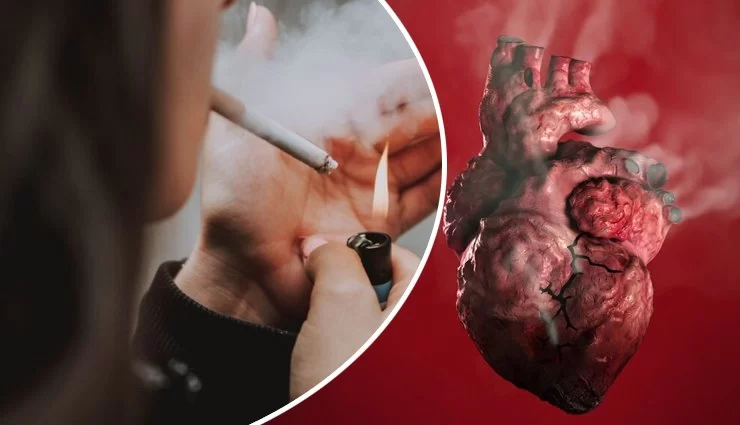
How Smoking — Even Occasional — Affects Your Heart and Blood Vessels
- 1-intro - The Silent Dangers of Smoking on Your Heart
- 2-blood-vessel - Impact of Smoking on Blood Vessels and Circulation
- 3-occasional-smoking - The Hidden Risks of Occasional Smoking
- 4-heart-disease - How Smoking Contributes to Heart Disease
- 5-preventive - Ways to Protect Your Heart and Blood Vessels from Smoking
1. The Silent Dangers of Smoking on Your Heart
When most people think about smoking, they often focus on the obvious risks, such as lung cancer and respiratory issues. However, the dangers of smoking extend far beyond the lungs and can seriously affect your heart and blood vessels. Even occasional smoking — such as smoking just one or two cigarettes a day or smoking on the weekends — can have a lasting impact on your cardiovascular health. In fact, smoking is one of the leading causes of heart disease, high blood pressure, and stroke.
Understanding the full scope of smoking's effects on the cardiovascular system is crucial for anyone who smokes, even infrequently. This article will explain how smoking, even in small amounts, can harm your heart and blood vessels, and what you can do to protect your health.

2. Impact of Smoking on Blood Vessels and Circulation
One of the most significant ways smoking affects your cardiovascular system is by damaging your blood vessels. Smoking introduces harmful chemicals, such as nicotine and carbon monoxide, into the bloodstream. These chemicals cause the blood vessels to constrict (narrow), leading to reduced blood flow. This reduced circulation increases the risk of plaque buildup in the arteries, known as atherosclerosis.
Atherosclerosis can lead to a number of serious problems, including heart attack, stroke, and peripheral artery disease. Even if you smoke only occasionally, this restricted blood flow can impair the delivery of oxygen and nutrients to vital organs and tissues, weakening your overall health.
Atlanta Heart Specialists
atlanta heart specialists
4375 Johns Creek Pkwy #350, Suwanee, GA 30024, USA

3. The Hidden Risks of Occasional Smoking
Many people believe that smoking occasionally is not as harmful as smoking every day. While it is true that smoking fewer cigarettes may lower your overall risk compared to smoking regularly, even occasional smoking still poses significant dangers. Studies have shown that people who smoke as little as one cigarette a day or who smoke intermittently on weekends are still at an increased risk for cardiovascular disease.
The damage caused by smoking builds up over time. Even if you only smoke in social situations or once in a while, your body still experiences the harmful effects of the chemicals in tobacco. Occasional smoking can also increase your blood pressure and heart rate, putting additional strain on your cardiovascular system.
4. How Smoking Contributes to Heart Disease
Heart disease is one of the leading causes of death worldwide, and smoking is a major contributing factor. When you smoke, the chemicals in the cigarette smoke damage the inner lining of your blood vessels, making them more likely to develop plaques that restrict blood flow. This process can lead to coronary artery disease, which is a condition where the arteries that supply blood to the heart become narrowed or blocked.
Smoking also reduces the oxygen supply to the heart and increases the levels of harmful cholesterol in the bloodstream. This combination of factors increases the likelihood of a heart attack or stroke. Even smoking only occasionally can lead to an increased risk of developing heart disease, particularly if you already have other risk factors, such as high blood pressure or a family history of heart disease.
5. Ways to Protect Your Heart and Blood Vessels from Smoking
The best way to protect your heart and blood vessels is to quit smoking entirely. While quitting smoking may be difficult, especially for occasional smokers who may feel that their habit isn't as harmful, it is one of the most important steps you can take to improve your cardiovascular health. There are many resources available, such as smoking cessation programs, nicotine replacement therapy, and counseling, to help you quit smoking for good.
In addition to quitting smoking, adopting a heart-healthy lifestyle can further protect your cardiovascular health. Regular exercise, a balanced diet rich in fruits and vegetables, and maintaining a healthy weight all contribute to strong heart health. Reducing alcohol consumption and managing stress are also important in preventing heart disease and maintaining healthy blood vessels.
If you're concerned about the effects of smoking on your heart and blood vessels, consider visiting a healthcare professional for advice and support. For further information on heart health and smoking cessation programs, visit 【HeartCare Hub】 for expert advice and resources.

















Deborah Heart and Lung Center
deborah heart and lung center
200 Trenton Rd, Browns Mills, NJ 08015, USA