
Do Plant-Based Diets Really Protect Your Heart? Understanding the Heart Health Benefits of Plant-Based Eating
1. What is a Plant-Based Diet?
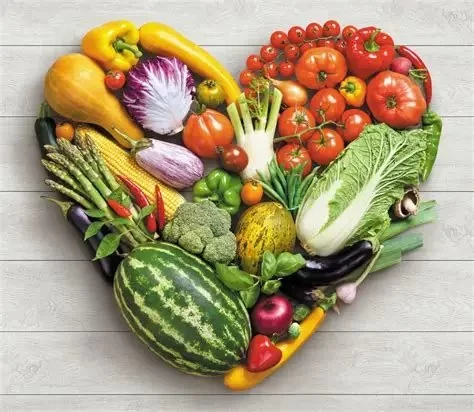
A plant-based diet primarily consists of foods that come from plants, including vegetables, fruits, whole grains, nuts, seeds, and legumes. Unlike vegetarianism or veganism, a plant-based diet does not completely exclude animal products but encourages minimizing their consumption. The focus is on consuming whole, unprocessed plant foods that are rich in nutrients and low in unhealthy fats.

2. How Does a Plant-Based Diet Affect Heart Health?
One of the key reasons people adopt a plant-based diet is for its potential benefits to heart health. Research has shown that plant-based diets can lower the risk of heart disease in several ways:
Atlanta Heart Specialists
atlanta heart specialists
4375 Johns Creek Pkwy #350, Suwanee, GA 30024, USA

2.1 Lower Cholesterol Levels
Plant-based foods are naturally low in saturated fats and cholesterol. By replacing animal products with plant foods, you reduce the intake of unhealthy fats, which can help lower your cholesterol levels. Studies show that plant-based diets have been linked to a reduction in LDL cholesterol, commonly referred to as "bad" cholesterol, which is a significant risk factor for heart disease.
2.2 Reducing Blood Pressure
A plant-based diet can help lower blood pressure, another critical factor in heart health. Fruits and vegetables, especially those rich in potassium, help balance the sodium in your body, reducing strain on your heart and blood vessels. High blood pressure (hypertension) is one of the leading causes of heart disease, and adopting a plant-based diet can be an effective strategy for prevention.
2.3 Reducing Inflammation
Chronic inflammation is a significant contributor to cardiovascular diseases. Plant-based diets are rich in antioxidants, vitamins, and minerals that help reduce inflammation in the body. These nutrients can reduce the risk of arterial plaque buildup and improve overall cardiovascular health.
3. Plant-Based Foods That Are Heart-Healthy
Some plant-based foods are particularly beneficial for heart health. These foods are not only nutrient-dense but also work together to promote overall well-being:
3.1 Leafy Greens
Leafy greens like spinach, kale, and Swiss chard are rich in vitamins, minerals, and fiber. They help reduce cholesterol levels and lower the risk of heart disease. The high vitamin K content in these greens also helps in the process of blood clotting, maintaining healthy blood flow.
3.2 Whole Grains
Whole grains such as oats, quinoa, and barley are packed with fiber and can help reduce the risk of heart disease. Fiber plays a vital role in lowering cholesterol levels and maintaining healthy digestion, both of which contribute to heart health.
3.3 Nuts and Seeds
Nuts and seeds like almonds, walnuts, and chia seeds provide healthy fats and proteins that are beneficial for heart health. They are also rich in omega-3 fatty acids, which help reduce inflammation and lower the risk of cardiovascular diseases.
4. How to Transition to a Heart-Healthy Plant-Based Diet
Transitioning to a plant-based diet can be a gradual process, especially if you are used to eating animal products regularly. Here are some tips to help you get started:
4.1 Start Slow
Begin by introducing more plant-based meals into your diet. Try replacing meat with plant-based protein sources such as beans, lentils, or tofu. Over time, you can gradually reduce your intake of animal products while increasing plant-based options.
4.2 Experiment with New Recipes
Explore new and exciting plant-based recipes to keep your meals interesting and satisfying. Experiment with different vegetables, grains, and legumes to create hearty and flavorful dishes. This way, you won't feel deprived as you make the shift to a more plant-centric diet.
4.3 Be Mindful of Nutrients
While plant-based diets are rich in many nutrients, it's important to ensure you're getting enough protein, iron, calcium, and vitamin B12. Consider incorporating fortified foods or supplements if needed to ensure your body receives all the essential nutrients it requires for optimal health.
5. The Role of Plant-Based Diets in Preventing Heart Disease
Heart disease is a leading cause of death in the United States, but many cases are preventable through lifestyle changes. A plant-based diet can help prevent heart disease by addressing the primary risk factors, such as high cholesterol, high blood pressure, and inflammation. Research has shown that people who follow a plant-based diet tend to have a lower risk of developing heart disease and other chronic conditions.
6. Real-Life Stories: People Who Have Benefited from Plant-Based Diets
Many individuals have experienced significant improvements in their heart health after transitioning to a plant-based diet. For example, a study by the American Heart Association showed that participants who adopted a plant-based diet experienced a reduction in blood pressure and cholesterol levels, with some even reversing the effects of heart disease.
Additionally, people who have successfully made the switch to plant-based diets often report feeling more energetic, losing weight, and experiencing better overall well-being. These success stories highlight the potential benefits of a plant-based lifestyle for maintaining a healthy heart.
7. Conclusion
Adopting a plant-based diet can significantly improve heart health and lower the risk of cardiovascular diseases. With a focus on whole, nutrient-dense foods and mindful choices, plant-based eating provides long-term benefits for your heart. If you’re considering making the switch to a plant-based diet, start small and incorporate more fruits, vegetables, whole grains, and healthy fats into your meals. Over time, these changes can help protect your heart and enhance your overall health.
For more heart health tips and guidance on improving your diet, visit HeartCare Hub for expert recommendations and personalized services to support your heart health journey.















Deborah Heart and Lung Center
deborah heart and lung center
200 Trenton Rd, Browns Mills, NJ 08015, USA