
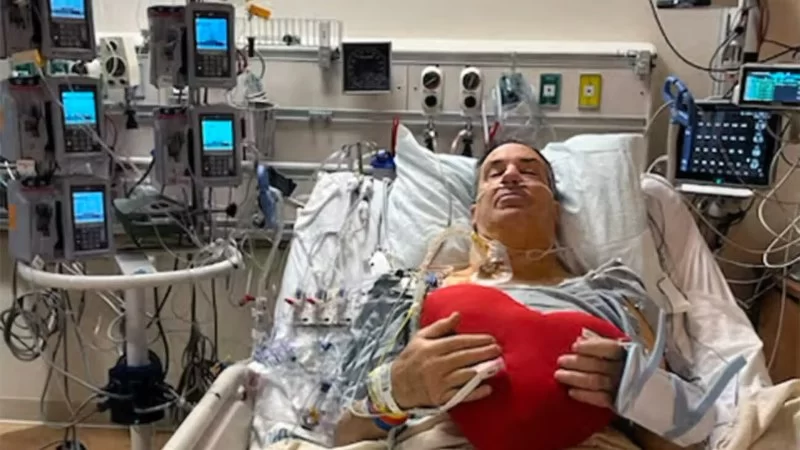
Heart Surgery Recovery: What’s Normal and What’s Not
- Introduction
- The First Few Days After Surgery
- Normal Recovery Signs
- Signs to Watch Out For
- Long-Term Recovery: What to Expect
- Conclusion
Recovering from heart surgery is a significant process that requires time, patience, and proper care. Whether it’s bypass surgery, valve replacement, or another type of cardiac procedure, understanding what’s normal and what’s not during recovery can help patients navigate the healing process with confidence. In this article, we’ll provide insights into the typical recovery stages after heart surgery and highlight what symptoms require attention.
1. The First Few Days After Surgery
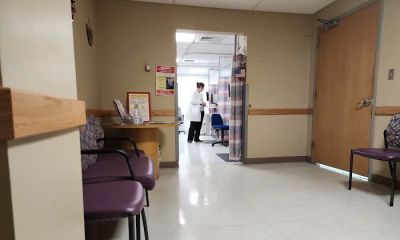
The first few days after heart surgery are critical for recovery. Patients are usually monitored closely in the hospital, where they’ll receive pain management and supportive care to help manage the immediate effects of the surgery. This period is often marked by:
Atlanta Heart Specialists
atlanta heart specialists
4375 Johns Creek Pkwy #350, Suwanee, GA 30024, USA

1.1. Hospital Stay
Most patients will stay in the hospital for several days after surgery, depending on the type of procedure and any complications that arise. During this time, vital signs such as heart rate, blood pressure, and oxygen levels will be closely monitored to ensure proper healing.
1.2. Pain and Discomfort
It’s common to experience some pain or discomfort around the incision site. Doctors will prescribe pain medications to help manage this discomfort. It’s essential to follow the prescribed pain management plan to prevent unnecessary strain on the heart during the early recovery stages.
1.3. Limited Mobility
In the first few days, patients may be encouraged to move around slightly to promote circulation but will generally be advised to rest and avoid strenuous activities. Walking short distances or sitting up in bed is often part of the early recovery routine to prevent complications like blood clots.
2. Normal Recovery Signs
After the first few days, most patients start to see gradual improvements. While each person’s recovery timeline may vary, there are several signs that indicate the recovery is progressing well:
2.1. Gradual Reduction in Pain
As healing progresses, the pain around the incision site should begin to decrease. Mild soreness is normal, but it should lessen over time. Pain should be manageable with over-the-counter medications or those prescribed by your doctor.
2.2. Increased Energy Levels
After the initial fatigue from surgery, many patients notice that their energy levels begin to improve. This can take several weeks, but with rest and proper nutrition, you should feel more energetic as time goes on.
2.3. Improved Mobility
Over time, patients will regain their ability to move more freely. Physical therapy often begins a few days or weeks after surgery, focusing on gentle stretching, walking, and strength-building exercises.
3. Signs to Watch Out For
While some discomfort and slow recovery are to be expected, there are certain symptoms that require immediate attention. If you experience any of the following, it’s essential to seek medical advice as soon as possible:
3.1. Severe Chest Pain or Pressure
While mild discomfort is expected, sharp, intense chest pain or pressure could indicate complications such as a heart attack or infection. This symptom should never be ignored, and immediate medical attention is required.
3.2. Difficulty Breathing
Shortness of breath that becomes more severe or occurs at rest should be addressed immediately. It could be a sign of fluid buildup around the heart or lungs, which requires prompt medical intervention.
3.3. Swelling or Redness at the Incision Site
Some swelling around the incision site is normal, but significant redness, warmth, or discharge may indicate infection. If you notice these signs, contact your doctor right away for evaluation and treatment.
4. Long-Term Recovery: What to Expect
After the initial recovery phase, the journey doesn’t end. Long-term recovery from heart surgery takes several weeks to months and involves a gradual return to normal activities. During this time, your doctor will likely provide guidance on:
4.1. Cardiac Rehabilitation
Cardiac rehab is a structured program that helps you regain strength and confidence after heart surgery. This program often involves physical therapy, counseling, and education to help you adopt a heart-healthy lifestyle.
4.2. Lifestyle Modifications
A significant part of long-term recovery is adopting healthier habits. This might include dietary changes, smoking cessation, managing stress, and regular exercise to improve heart health and prevent future complications.
4.3. Regular Follow-up Appointments
Regular follow-up appointments with your cardiologist are essential to monitor your recovery progress. These appointments help ensure that your heart is healing properly and that any issues are identified early on.
5. Conclusion
Recovering from heart surgery is a gradual process, and while there are challenges along the way, understanding what’s normal and what’s not can help you navigate the journey with confidence. Remember to follow your doctor’s advice, attend your follow-up appointments, and listen to your body. For those seeking expert advice and recommendations on heart health, visit HeartCare Hub for resources and personalized support throughout your recovery.

















Deborah Heart and Lung Center
deborah heart and lung center
200 Trenton Rd, Browns Mills, NJ 08015, USA