
- 1. Understanding the Connection Between Stress and Heart Disease
- 2. Early Signals of Stress That Affect Your Heart
- 3. How Chronic Stress Impacts Heart Health
- 4. What You Can Do to Manage Stress and Reduce Heart Disease Risk
- 5. Why Choose HeartCare Hub for Your Heart Health
1. Understanding the Connection Between Stress and Heart Disease
Stress is a normal part of life, but prolonged or unmanaged stress can have serious consequences on your health, especially your heart. Over time, chronic stress can contribute to heart disease, one of the leading causes of death in the United States. But how does stress impact your heart health, and why should you pay attention to early warning signs?
The connection between stress and heart disease is primarily due to the physiological responses that occur when you’re stressed. When stressed, your body releases hormones such as adrenaline and cortisol, which prepare you for a “fight or flight” response. While these hormones are helpful in short bursts, prolonged exposure can increase blood pressure, raise cholesterol levels, and contribute to inflammation—all of which increase the risk of heart disease.
Understanding how stress impacts your body and heart health is essential in recognizing early signs of stress-related heart disease. Let’s dive into the early stress signals that may indicate an increased risk for heart issues.

2. Early Signals of Stress That Affect Your Heart
Stress can show up in various forms, and some early warning signs might be subtle but important to watch for. These signals can be physical, emotional, or behavioral. Being aware of them can help you take early action to manage stress before it leads to more serious heart problems.
- Increased Heart Rate: One of the most common physical symptoms of stress is a rapid heart rate. While a temporary increase is normal, chronic stress can lead to consistently high heart rates, which can overwork the heart over time.
- High Blood Pressure: Chronic stress can cause prolonged increases in blood pressure, a major risk factor for heart disease. If you notice your blood pressure readings consistently higher than usual, stress could be a contributing factor.
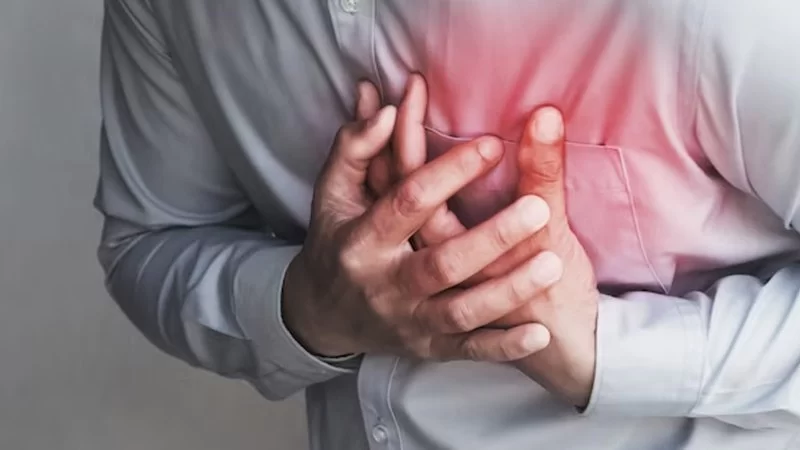
- Chest Tightness or Pain: Stress can cause the muscles around your chest to tighten, which may lead to discomfort or even pain. While this may be temporary, repeated episodes should be taken seriously as they could indicate stress-induced heart problems.
- Fatigue: If you’re feeling constantly tired or drained despite getting enough rest, it could be a sign that your body is under stress. Fatigue can lead to physical weakness, making your heart work harder than necessary.
- Difficulty Sleeping: Stress often disrupts sleep patterns, which can affect your heart health. Poor sleep can increase the production of stress hormones and raise blood pressure, both of which contribute to heart disease risk.
These early stress signals may not seem serious at first, but they can build up over time and affect your overall cardiovascular health. Pay attention to these signs, and take action early to manage your stress levels.
Atlanta Heart Specialists
atlanta heart specialists
4375 Johns Creek Pkwy #350, Suwanee, GA 30024, USA

3. How Chronic Stress Impacts Heart Health
While brief periods of stress are normal, chronic stress can have lasting effects on your heart. Over time, ongoing stress contributes to the development of cardiovascular disease through a combination of factors:
- Chronic Inflammation: Stress activates the body’s inflammatory response, which can damage the arteries and lead to plaque buildup. This plaque can narrow the arteries, increasing the risk of heart attacks and strokes.
- Elevated Blood Pressure: Constantly high levels of stress hormones can keep your blood pressure elevated. This strain on the cardiovascular system can lead to heart disease over time.
- Unhealthy Behaviors: Stress may lead to unhealthy coping mechanisms such as overeating, smoking, or excessive drinking—behaviors that are all linked to an increased risk of heart disease.
The long-term effects of chronic stress are serious and can accelerate the development of heart disease. Managing stress early on can help mitigate these effects and protect your heart health.
4. What You Can Do to Manage Stress and Reduce Heart Disease Risk
Managing stress effectively is crucial in reducing the risk of heart disease. Here are some steps you can take to protect both your mental well-being and heart health:
- Exercise Regularly: Physical activity helps reduce stress hormones while also improving cardiovascular health. Aim for at least 30 minutes of moderate exercise most days of the week.
- Practice Relaxation Techniques: Deep breathing, meditation, and yoga can help reduce stress by calming the mind and body. Incorporating these techniques into your daily routine can lower cortisol levels and promote heart health.
- Maintain a Healthy Diet: A balanced diet rich in fruits, vegetables, and whole grains can reduce stress levels and improve heart health. Avoid excessive caffeine and sugar, which can increase anxiety and stress.
- Get Enough Sleep: Prioritize sleep to give your body the rest it needs. Aim for 7-9 hours of sleep per night to help regulate stress hormones and maintain a healthy heart.
- Seek Professional Support: If stress feels overwhelming, consider speaking to a mental health professional. Therapy, counseling, or stress management programs can help you learn coping strategies and prevent stress from affecting your heart.
By incorporating these strategies into your routine, you can effectively manage stress and reduce your risk of developing heart disease.
5. Why Choose HeartCare Hub for Your Heart Health
At HeartCare Hub, we are committed to providing you with the resources and support you need to manage stress and improve your heart health. Our experts offer guidance on stress reduction techniques, lifestyle changes, and heart disease prevention. Whether you’re looking for advice on managing stress or need professional help with your heart health, we’re here to assist you every step of the way.
Visit HeartCare Hub today to explore our range of heart health resources and take the first step towards a healthier heart.




















Deborah Heart and Lung Center
deborah heart and lung center
200 Trenton Rd, Browns Mills, NJ 08015, USA