Best Foods to Prevent Heart Disease and Boost Circulation

Published on Jan 24, 2026
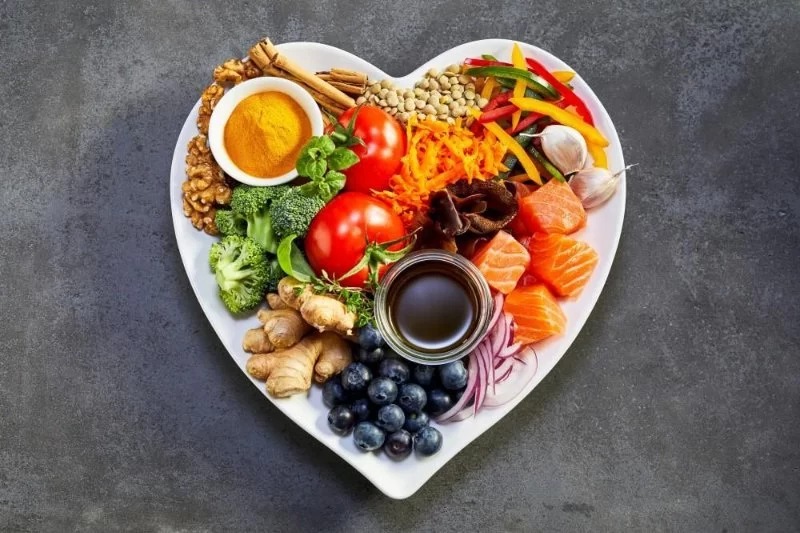
Best Foods to Prevent Heart Disease and Boost Circulation

1. Why a Healthy Diet Is Key to Heart Health

When it comes to heart health, your diet plays an incredibly important role. Poor dietary choices can contribute to conditions like high blood pressure, high cholesterol, and inflammation, all of which increase the risk of heart disease. On the other hand, a balanced and nutrient-rich diet can help reduce these risks, improve circulation, and even reverse some early signs of cardiovascular disease. As someone who has taken an active interest in heart health, I’ve seen firsthand how making small changes in diet can lead to big improvements. The right foods—packed with antioxidants, healthy fats, and fiber—are not just good for the heart, but they can help maintain healthy blood flow and lower the likelihood of heart-related complications.

2. Best Foods for Heart Disease Prevention

Several foods are known for their heart-protective benefits. By incorporating these into your diet regularly, you can lower your risk of heart disease and help keep your cardiovascular system functioning optimally. Here are some of the best foods for preventing heart disease:

2.1. Fatty Fish

Fatty fish, such as salmon, mackerel, and sardines, are packed with omega-3 fatty acids. These healthy fats are known to reduce inflammation, lower blood pressure, and decrease triglyceride levels. Eating fatty fish two to three times a week can significantly improve heart health. Omega-3s also help maintain healthy circulation by supporting the health of blood vessels.

2.2. Nuts and Seeds

Nuts, such as almonds, walnuts, and pistachios, are rich in healthy fats, fiber, and antioxidants. Studies have shown that eating a handful of nuts every day can lower LDL (bad cholesterol) levels, reduce inflammation, and improve overall heart health. Walnuts, in particular, are packed with omega-3 fatty acids, which are essential for cardiovascular health.

2.3. Whole Grains

Whole grains like oats, quinoa, and brown rice are high in fiber, which helps lower cholesterol and improves blood sugar control. Fiber is crucial for maintaining a healthy weight and preventing heart disease. Whole grains also contain important nutrients like B vitamins, iron, and magnesium, which are beneficial for heart health.

2.4. Fruits and Vegetables

A diet rich in fruits and vegetables is essential for heart health. These foods are packed with vitamins, minerals, and antioxidants that protect the heart from damage. Leafy greens like spinach and kale, as well as berries, apples, and citrus fruits, are particularly beneficial. They help lower blood pressure, reduce cholesterol, and improve overall cardiovascular function.

3. Foods That Boost Circulation and Heart Health

In addition to preventing heart disease, some foods are specifically known to improve circulation, which is essential for delivering oxygen and nutrients throughout the body. Here are a few foods that support healthy blood flow:

3.1. Beets

Beets are a powerhouse when it comes to improving circulation. They are rich in nitrates, which help dilate blood vessels, improving blood flow. Studies have shown that consuming beetroot juice can significantly lower blood pressure and improve exercise performance by enhancing oxygen delivery to the muscles.

3.2. Dark Chocolate

Yes, dark chocolate can be good for your heart! It contains flavonoids, which are antioxidants that can help lower blood pressure, improve blood flow, and reduce the risk of heart disease. Choose dark chocolate with at least 70% cocoa for maximum benefits, and enjoy in moderation.

3.3. Garlic

Garlic is a well-known superfood for heart health. It has been shown to reduce blood pressure, lower cholesterol, and improve circulation. Allicin, the active compound in garlic, helps relax blood vessels and promotes healthy blood flow, making it a great addition to your heart-healthy diet.

3.4. Turmeric

Turmeric, specifically its active compound curcumin, has powerful anti-inflammatory properties. It helps prevent the buildup of plaque in the arteries and promotes better circulation. Adding turmeric to your diet, either through curries or as a supplement, can help improve heart health and reduce inflammation.

4. Daily Tips for Incorporating Heart-Healthy Foods

Making heart-healthy foods a regular part of your diet doesn’t have to be difficult. Here are some simple ways to incorporate these foods into your daily routine:

4.1. Start Your Day with Oats

Oats are a great source of soluble fiber, which can help lower cholesterol levels. Start your morning with a bowl of oatmeal or add oats to smoothies for a heart-healthy breakfast that will keep you full throughout the day.

4.2. Snack on Nuts

Keep a handful of nuts with you for a heart-healthy snack. They are easy to carry, packed with nutrients, and help curb hunger. Pair them with a piece of fruit for a balanced, heart-friendly snack.

4.3. Add Leafy Greens to Every Meal

Leafy greens like spinach, kale, and arugula are rich in vitamins, minerals, and fiber. Try adding them to salads, sandwiches, soups, or even smoothies to boost the nutritional value of your meals.

5. Why Choosing the Right Foods Matters for Cardiovascular Health

The food choices we make on a daily basis can have a lasting impact on our cardiovascular health. A heart-healthy diet helps reduce risk factors like high blood pressure, high cholesterol, and inflammation, all of which contribute to heart disease. By focusing on nutrient-dense, whole foods—like those mentioned above—you can significantly improve your heart health and quality of life. Incorporating these foods into your diet not only promotes heart health but also supports overall well-being. If you’re looking for additional guidance on heart-healthy products or services, HeartCare Hub offers recommendations on everything from supplements to meal planning.