
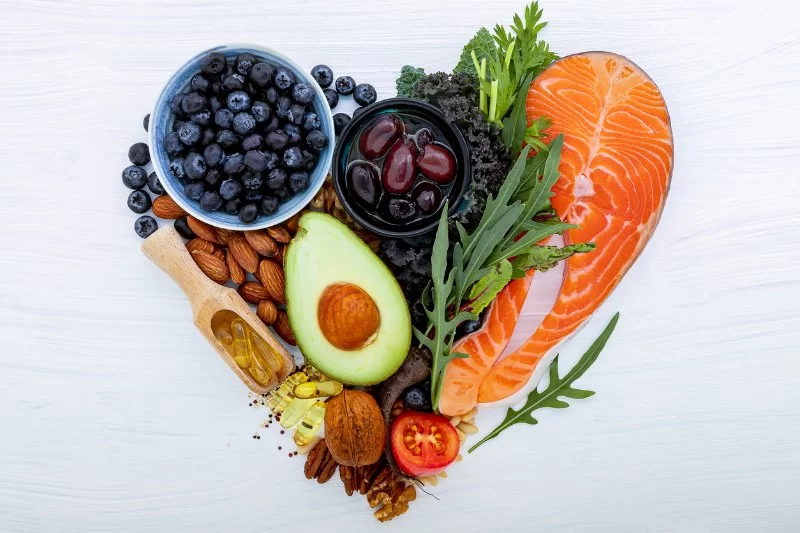
Guide to Heart-Healthy Fats You Should Eat
When it comes to maintaining a healthy heart, the fats you consume play a crucial role. Many people associate fats with negative health outcomes, such as weight gain or heart disease, but the reality is that not all fats are created equal. In fact, incorporating the right types of fats into your diet can actually improve your heart health, lower cholesterol, and reduce the risk of cardiovascular diseases. Let me walk you through some of the best heart-healthy fats you should eat and how they benefit your overall well-being.

1. What Are Heart-Healthy Fats?
Heart-healthy fats are those that provide essential nutrients for your body while promoting good cholesterol levels and reducing the risk of heart disease. These fats are typically unsaturated, which include both monounsaturated fats (MUFAs) and polyunsaturated fats (PUFAs). They help lower "bad" LDL cholesterol levels and raise "good" HDL cholesterol. Unlike trans fats and saturated fats, which can contribute to plaque buildup in your arteries, unsaturated fats are beneficial for your heart.
Atlanta Heart Specialists
atlanta heart specialists
4375 Johns Creek Pkwy #350, Suwanee, GA 30024, USA

1.1 Monounsaturated Fats (MUFAs)
Monounsaturated fats are healthy fats found in a variety of foods, including nuts, seeds, and plant oils. These fats are known to help reduce the risk of heart disease by improving blood cholesterol levels. Common sources of MUFAs include:
- Olive oil
- Avocados
- Almonds and peanuts
- Cashews
Including these foods in your diet is an excellent way to support heart health, as they help lower LDL cholesterol while maintaining the health of your blood vessels and arteries.
1.2 Polyunsaturated Fats (PUFAs)
Polyunsaturated fats are another type of healthy fat that includes omega-3 and omega-6 fatty acids. These fats are essential for the body and are known to reduce inflammation, lower blood pressure, and improve overall heart health. Omega-3 fatty acids, in particular, are especially beneficial for reducing the risk of heart disease and improving circulation. Some common sources of PUFAs include:
- Fatty fish (salmon, mackerel, sardines)
- Flaxseeds
- Chia seeds
- Walnuts
- Sunflower seeds
- Soybeans and tofu
Including foods rich in omega-3 fatty acids, such as fatty fish or flaxseeds, is particularly important for reducing inflammation and improving the health of your heart.
2. Health Benefits of Heart-Healthy Fats
Now that we understand what heart-healthy fats are, let’s explore the many benefits they offer for your cardiovascular health and overall well-being.
2.1 Reduces the Risk of Heart Disease
Incorporating heart-healthy fats into your diet can significantly lower the risk of developing heart disease. These fats help reduce LDL cholesterol levels, which can contribute to plaque buildup in the arteries, leading to atherosclerosis. By replacing unhealthy fats (like trans fats and saturated fats) with heart-healthy fats, you can reduce your risk of a heart attack or stroke.
2.2 Lowers Inflammation
Chronic inflammation is a major risk factor for heart disease. Omega-3 fatty acids, found in polyunsaturated fats, have anti-inflammatory properties that help protect your blood vessels from damage. By reducing inflammation in the body, heart-healthy fats play an important role in maintaining a healthy cardiovascular system.
2.3 Promotes Healthy Blood Pressure
Consuming healthy fats is also linked to maintaining normal blood pressure levels. For instance, omega-3 fatty acids are shown to reduce blood pressure in people with high blood pressure. This can help reduce the risk of hypertension, which is a significant risk factor for heart disease and stroke.
2.4 Supports Brain Health
Heart-healthy fats, particularly omega-3s, aren’t just beneficial for your heart—they also support cognitive function. Omega-3s are crucial for brain health, improving memory and reducing the risk of mental decline. In fact, studies have shown that individuals who consume a diet rich in omega-3 fatty acids tend to have a lower risk of dementia and Alzheimer’s disease.
3. Top Sources of Heart-Healthy Fats
Incorporating heart-healthy fats into your diet doesn’t have to be difficult. Below are some of the top sources of heart-healthy fats that can easily be added to your meals:
3.1 Olive Oil
Olive oil, especially extra virgin olive oil, is rich in monounsaturated fats and is widely known for its heart health benefits. It's great for cooking, drizzling over salads, or adding to your favorite Mediterranean dishes.
3.2 Fatty Fish
Fatty fish like salmon, mackerel, sardines, and trout are excellent sources of omega-3 fatty acids. Aim to include fatty fish in your diet at least two times a week to reap the full heart-healthy benefits.
3.3 Avocados
Avocados are a rich source of monounsaturated fats and contain potassium, which helps regulate blood pressure. Adding avocado to your salads, sandwiches, or smoothies is an easy way to increase your intake of heart-healthy fats.
3.4 Nuts and Seeds
Almonds, walnuts, chia seeds, and flaxseeds are all excellent sources of healthy fats. These can be added to snacks, yogurt, salads, or smoothies for a heart-healthy boost.
3.5 Plant-Based Oils
In addition to olive oil, other plant-based oils like canola oil and sunflower oil are great options for cooking and baking. These oils are rich in unsaturated fats and can help improve your cholesterol profile.
4. How to Incorporate Heart-Healthy Fats into Your Diet
Here are a few simple ways to ensure that you're getting enough heart-healthy fats:
4.1 Swap Unhealthy Fats for Healthy Fats
Replace saturated fats and trans fats with healthier fats. For example, use olive oil instead of butter or margarine, and choose lean cuts of meat over fatty cuts.
4.2 Snack on Nuts and Seeds
Instead of reaching for chips or sugary snacks, keep a handful of almonds, walnuts, or pumpkin seeds on hand for a heart-healthy snack that’s packed with beneficial fats.
4.3 Add Fatty Fish to Your Meals
Try incorporating more fatty fish into your diet, such as adding grilled salmon to your salad or preparing a baked mackerel fillet for dinner.
4.4 Include Avocados in Your Diet
Avocados are versatile and can be added to almost any meal. Spread avocado on toast, add it to salads, or blend it into smoothies for a creamy texture and heart-healthy fats.
5. Where to Find Heart-Healthy Foods
Many grocery stores and health food stores now offer a variety of heart-healthy foods, including oils, nuts, seeds, and fatty fish. For those looking for high-quality heart-healthy products, be sure to check out HeartCare Hub for the best selection of heart-healthy foods, supplements, and accessories to support your cardiovascular health.
In conclusion, heart-healthy fats are an essential part of a balanced diet that promotes overall health and reduces the risk of heart disease. By incorporating more monounsaturated and polyunsaturated fats into your meals, you can enjoy a healthier heart and improved well-being. So, start making these heart-healthy fats a part of your daily diet today!



















Deborah Heart and Lung Center
deborah heart and lung center
200 Trenton Rd, Browns Mills, NJ 08015, USA